
What You Should Know About HIFU Treatment Before Getting It
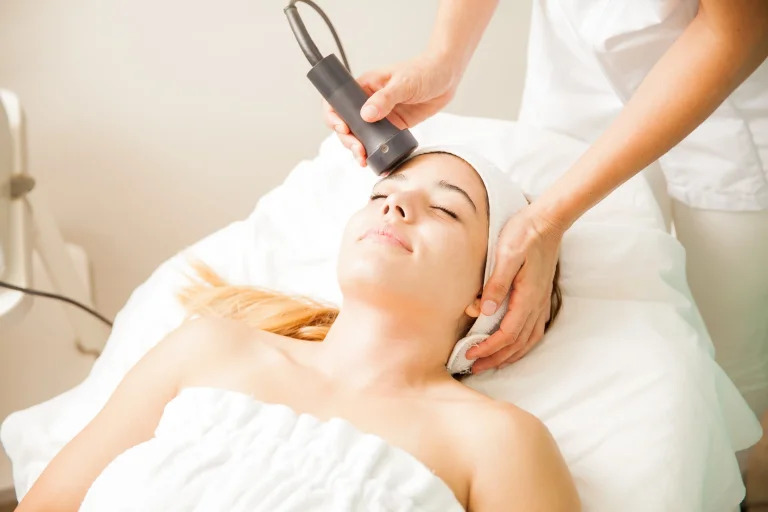
If you are a busy professional in Kuala Lumpur, it can be hard to tell which aesthetic procedures are truly worth your time and money. hifu treatment is often promoted as a non surgical facelift you can fit around meetings, which is attractive when your schedule is already full.
Before you book through a clinic or a dedicated HIFU treatment in KL page, it helps to understand how this ultrasound technology actually works, what results are realistic, and who is most likely to benefit.
Understanding HIFU Treatment And How It Works
For many patients, hifu treatment is their first step into energy based aesthetics. Instead of cutting the skin, it uses focused ultrasound to deliver heat to precise depths under the surface, in the same supporting layers a surgeon would lift. The outer skin is left intact while deeper tissues are carefully targeted.
The aim is not to melt fat or change your face overnight, but to create controlled thermal points that tighten existing collagen and stimulate new collagen over time. This gradual improvement is often what appeals to people like Serena or Aina, who want to look fresher without obvious signs of having had work done.
1) How HIFU energy targets the skin
During hifu treatment, the handpiece is placed on gel covered skin and ultrasound energy is delivered at specific depths, often around 3 millimetres and 4.5 millimetres. These levels correspond to the deeper dermis and the fibrous support layer that helps hold the face up.
By heating many tiny spots in these layers, the device causes immediate collagen contraction and triggers a repair response that builds new collagen over the following months. At clinics such as Da Vinci Clinic, doctors may combine this with facial mapping and photographic records so they can track subtle changes in the brow, jawline, and under chin area over time.
2) What results you can realistically expect
Patients often ask if a single hifu treatment can match a surgical facelift. The honest answer is no, and a good doctor will say that clearly. In suitable candidates, you can expect a gentle lift and firmer contours over three to six months, not a dramatic overnight change.
A 2023 systematic review of microfocused ultrasound found that 92 percent of patients showed improvement in skin tightening or wrinkle reduction at around ninety days, with benefits maintained for up to one year in mild to moderate laxity. The review, published in the International Journal of Environmental Research and Public Health, is available on PubMed and supports the use of ultrasound for measured, gradual facial rejuvenation rather than extreme transformation.
Safety, Risks And Ideal Candidates For HIFU Treatment
Even though hifu treatment is non surgical, it still involves delivering energy near nerves, glands, and bone. Safety depends on the device quality, treatment settings, and, most importantly, the training of the person holding the handpiece. For higher risk profiles or patients with medical conditions, a doctor-led clinic is particularly important.
For someone like James, who may have heavier tissues and more advanced laxity, HIFU might be part of the plan rather than the whole answer. In those cases, doctors sometimes suggest combining ultrasound with other options such as injectable collagen stimulators or resurfacing lasers like the UltraClear Laser skin rejuvenation system for texture and pigmentation.
1) Common side effects and how long they last
Most people tolerate hifu treatment well. Common short term effects include redness, mild swelling, and tenderness along the treatment lines, especially around the jaw and under the chin. These usually settle within a few hours to a few days, which is why many patients feel comfortable returning to work quite quickly.
Less common issues can include temporary numbness, tingling, or small bruises. Very rarely, if energy is delivered too close to a nerve branch, there can be temporary weakness in a part of the face. This is one reason Da Vinci Clinic and similar centres rely on LCP certified doctors who understand facial anatomy, device physics, and how to adjust treatment patterns for different face shapes.
2) Who is and is not suited to HIFU
In general, hifu treatment works best for people with mild to moderate laxity, a body mass index under 30, and reasonably good skin quality. The systematic review on microfocused ultrasound noted that heavier tissues and more severe laxity had less predictable improvement, which fits what many experienced clinicians see in practice.
For younger patients like Aina, ultrasound can be used in a prejuvenation approach to slow early sagging at the jawline and under the chin. For older patients with more advanced changes, doctors may suggest combining HIFU with other tightening treatments, or explain that surgery is the only way to achieve a large change, so expectations stay realistic.

Frequently Asked Questions (FAQs)
1) Is hifu treatment a replacement for a facelift?
2) How long do the results of hifu treatment usually last?
3) Can I go back to work on the same day after hifu treatment?
4) Is hifu treatment safe for all skin tones?
5) Can hifu treatment be combined with fillers or other procedures?
Conclusion
For discerning patients in Kuala Lumpur who want firmer contours without the downtime of surgery, hifu treatment can be a useful option when the device, doctor, and expectations are all well matched. Understanding how ultrasound tightens collagen, what level of lift is realistic, and which side effects are normal makes it easier to choose calmly rather than react to marketing claims.
Many people achieve the best outcome when HIFU is part of a broader, doctor led plan that may also involve skin boosters, laser rejuvenation, or fillers, especially for more complex concerns. If you are considering this approach, arrange a detailed consultation through the book now page so a qualified doctor can review your face, medical history, and goals before recommending any specific treatment path.