
What Hair Treatment Help Me Get Back My Hair?
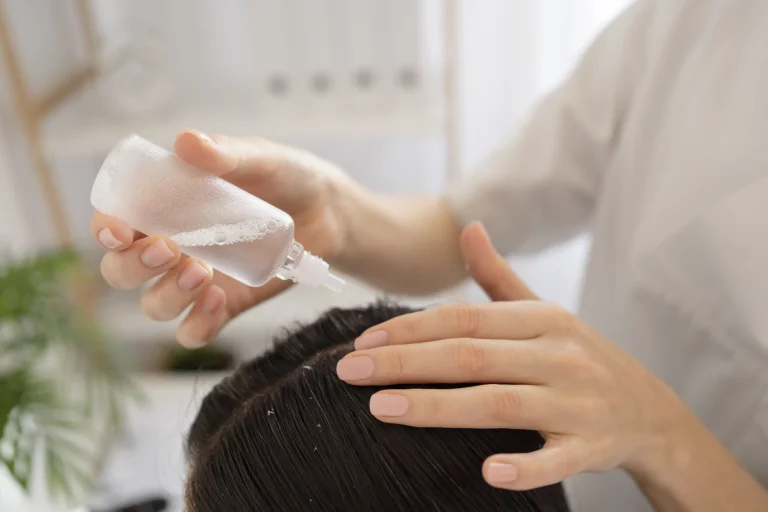
Noticing your part line widening or more hair in the shower can be very unsettling, especially if you need to look sharp for meetings and events. The good news is that several medical hair treatment options can slow loss and even regrow some density when started early.
Before trying random shampoos or supplements, it helps to understand what is causing your shedding and what a proper hair loss treatment plan in Malaysia can realistically do for you.
Understanding Why Your Hair Is Thinning
The first step in choosing any hair treatment is to understand why your hair is falling out. Genetics, hormones, stress, illness and styling habits can all play a role, and the correct solution depends on which of these is driving your loss.
For many men and women in their thirties to fifties, pattern hair loss is the main issue. This means hair follicles are gradually shrinking, producing shorter and finer strands over time rather than suddenly dropping out overnight. The NHS guidance on hair loss explains that alopecia has many possible causes and outlines when to see a doctor and what treatments may be recommended, which mirrors the medical approach used in a proper aesthetic clinic.
1) Common causes you should know about
Doctors usually see a few patterns when assessing candidates for hair treatment:
- Genetic pattern hair loss in men and women
- Hormonal shifts such as after pregnancy or around menopause
- Nutritional gaps or crash dieting
- Illness, medications or major stress events
A dermatologist or aesthetic doctor will look at where and how you are thinning, your medical history and any recent changes in lifestyle before suggesting a plan.
2) When to see a doctor instead of self treating
If your hair is coming out in patches, if your scalp is painful or itchy, or if you are shedding very suddenly, you should see a doctor before starting any hair treatment at home. Conditions like alopecia areata, thyroid disease or iron deficiency need medical management as well as cosmetic support.
Even with classic pattern thinning, getting a diagnosis early is useful, because many treatments work best when you still have miniaturised hairs rather than completely bald areas.
Types Of Hair Treatment You Will Hear About
Once the cause is clear, your doctor can talk you through the main categories of hair treatment and how they might fit into your routine. Most plans mix home based medicines with clinic procedures for the best chance of visible change.
The aim is usually not to restore teenage density, but to keep more of what you still have, thicken finer strands and in some cases reactivate partially dormant follicles.
1) Medical treatments and clinic procedures
The most common medically guided hair treatment options include:
- Topical medicines such as minoxidil
- Oral medicines such as finasteride for suitable men
- In clinic procedures like PRP or growth factor injections
- Energy based therapies and laser or light devices
A Harvard Health review on thinning hair notes that Food and Drug Administration approved medicines such as minoxidil can thicken existing hair and help preserve density when used consistently for months, which is why doctors often build them into long term plans rather than short trials.
2) How home remedies compare with clinic treatments
It is natural to wonder how salon products or home remedies stack up against medical hair treatment options. This simple comparison shows the difference in expectations.
Option type | Typical example | Main goal | Evidence level for regrowth |
Everyday care | Gentle shampoo and scalp care | Maintain scalp health | Supportive only |
Over the counter products | Basic serums or supplements | General support | Variable and often limited |
Doctor guided medical treatments | Minoxidil, finasteride, PRP | Slow loss and stimulate regrowth | Strongest available outside surgery |
Home care is still important, but long term changes usually come from the medical side, often combined with targeted hair restoration procedures in a clinic setting.
Choosing The Right Hair Treatment For Your Situation
With so many options on the market, it can feel overwhelming to decide which hair treatment to start first. A structured approach helps you avoid wasting time and money on things that are unlikely to help your specific pattern of loss.
Your age, sex, health, tolerance for medication and how far the hair loss has already progressed all influence which tools your doctor will prioritise.
1) Key questions to ask during consultation
To match the hair treatment to your needs, it helps to ask:
- What is the likely cause of my hair loss
- Which treatments have the strongest evidence for my type of loss
- How long before we judge whether it is working
- What side effects or monitoring do I need
These questions keep the discussion focused on results and safety rather than brand names or package deals.
2) Matching treatments to early, moderate and advanced loss
In early thinning, doctors often start with topical medicines and lifestyle advice. As loss becomes more obvious, a hair treatment plan may add oral medication, clinic procedures or both. For very advanced baldness, surgical options such as transplant are sometimes the only way to change the hairline.
A clinic like Da Vinci Clinic can also integrate other concerns, for example combining scalp therapies with hair clinic services in KL for dandruff or scalp health, so that the environment for regrowth is as strong as possible.
What Results To Expect From Hair Treatment
One of the most important parts of any hair treatment discussion is setting realistic expectations about timing and degree of improvement. Regrowth is usually measured in months, not weeks, and stabilising loss is itself a success.
For many people, especially in their forties and fifties, the goal is to keep hair looking fuller for longer rather than to restore the hairline they had at university.
1) Typical timelines for seeing change
Most medically guided hair treatment plans follow a similar pattern:
- First two to three months: shedding may stabilise but regrowth is not obvious
- Three to six months: new baby hairs or thicker strands may start to appear
- Six to twelve months: photos and density often show clear improvement
Stopping proven treatments usually leads to gradual loss of any gains, so long term commitment is important if you want to maintain results.
2) Signs your plan may need adjusting
Even with a good hair treatment plan, your doctor may tweak medicines or procedures if:
- Shedding continues to worsen after several months
- You experience side effects that are hard to tolerate
- Certain areas respond while others lag behind
Regular reviews with clear photographs help you and your doctor decide whether to continue, adjust or change your strategy so that your time and effort go where they are most effective.

Frequently Asked Questions (FAQs)
1) Can a hair treatment really grow new hair back?
2) How long does it take for a hair treatment to work?
3) Is every salon hair treatment useful for hair loss?
4) Can I just use shampoo instead of seeing a doctor?
5) Is hair treatment different for men and women?
Conclusion
If you are noticing thinning or shedding, the most important step is not choosing a product, but getting a clear diagnosis so that your hair treatment plan matches the real cause. For many people, a mix of home based medicines and clinic procedures offers the best chance to slow loss and regain some density, especially when started before the scalp is completely bare.
Working with an experienced doctor at a reputable aesthetic clinic in Kuala Lumpur allows you to compare options calmly, understand the likely benefits and side effects, and commit to a plan that fits your lifestyle. Exploring structured services, such as dedicated hair loss and restoration programmes, then booking a consultation, is often the most efficient way to move from worry about thinning hair to a practical, long term strategy.