
Proven Acne Scar Treatment Strategies
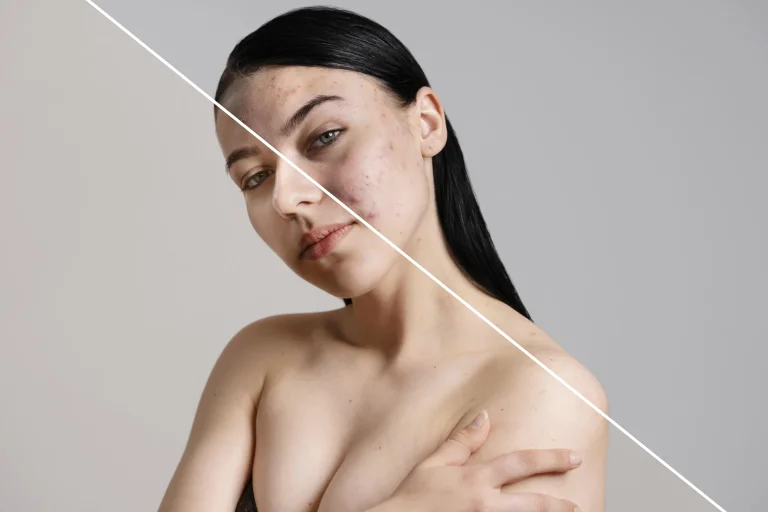
Acne scars linger long after breakouts fade, often leaving uneven texture and self-consciousness that affects daily interactions. Effective acne scar treatment can transform skin appearance, restoring smoothness and boosting esteem through targeted therapies. These options address various scar types, from shallow pits to deeper depressions, offering hope for clearer complexions.
Many seek acne scar treatment to reclaim even skin, especially after persistent acne challenges. At clinics like Da Vinci, specialists assess concerns such as depressed acne scars to recommend tailored plans. Advances in dermatology make these procedures more accessible and precise.
Choosing the right acne scar treatment depends on scar depth and skin type, with combinations yielding optimal outcomes. This guide outlines key approaches to inform decisions and set realistic expectations.
Understanding Types of Acne Scars
Acne scar treatment begins with identifying scar categories, as each responds differently to interventions. Atrophic scars, the most common, result from collagen loss during healing, appearing as ice pick, boxcar, or rolling depressions. Hypertrophic or keloid scars form raised tissue, less frequent but more challenging.
Knowledge of scar formation guides selection, ensuring therapies target root issues like fibrosis or pigmentation. Early intervention prevents worsening, aligning with proactive skin care.
Atrophic Scars and Their Characteristics
Ice pick scars create narrow, deep pits from severe inflammation, often on cheeks. Boxcar scars feature wide, sharp edges with vertical sides, while rolling scars cause wavy indents due to tethered skin. These demand resurfacing or volume-restoring acne scar treatment for levelling.
Patients with oily skin may notice more atrophic types, as excess sebum prolongs inflammation. Comparisons show ice picks suit chemical reconstruction, unlike broader rolling scars needing mechanical release.
Hypertrophic and Keloid Scars
Raised scars arise from overactive collagen, common on the back or chest. Keloids extend beyond original sites, more prevalent in darker tones. Acne scar treatment here focuses on flattening through steroids or lasers, differing from atrophic filling methods.
Scenarios like post-adolescent flare-ups highlight needs, where intralesional injections halt growth. Transitions to maintenance prevent recurrence, emphasising sun protection.
Laser and Energy-Based Acne Scar Treatments
Laser technologies dominate acne scar treatment for their precision in remodelling tissue without broad damage. Fractional lasers create micro-columns to stimulate collagen, ideal for atrophic types. These non-ablative or ablative options suit various depths, with sessions spaced for recovery.
Energy devices penetrate layers to break scar bands, promoting even tone and texture. Professional oversight ensures safety across skin types.
Fractional CO2 and Erbium Lasers
Fractional CO2 lasers vaporise scar tops while heating dermis for regeneration, showing fifty to seventy percent improvement in boxcar scars. Erbium variants offer gentler ablation, reducing downtime to days versus weeks. Acne scar treatment with these excels for moderate severity, with multiple passes enhancing results.
Darker skins benefit from picosecond lasers like PicoSure, minimising pigment risks. Relatable cases include young adults smoothing post-teen acne, where lasers blend seamlessly with daily routines.
Facilities utilise advanced systems, such as Pico laser treatments, to customise energy levels for sensitive areas.
Radiofrequency and LED Integration
Radiofrequency microneedling delivers heat via needles, tightening scars without surface wounds. Combined with LED lights, it accelerates healing and reduces redness. This acne scar treatment variant suits rolling depressions, yielding gradual firmness over three to six sessions.
Compared to standalone lasers, it lowers thermal injury, appealing for maintenance. Users with active lifestyles value the minimal redness, resuming activities swiftly.
- Assess skin tolerance with patch tests prior to full sessions.
- Apply numbing creams thirty minutes before to ease discomfort.
- Schedule follow-ups every four weeks for progressive layering.
- Incorporate LED masks at home to sustain anti-inflammatory effects.
These steps optimise laser efficacy.
Minimally Invasive Acne Scar Treatment Methods
Beyond lasers, procedural acne scar treatment includes injections and mechanical techniques for immediate or progressive correction. Subcision releases tethered scars, while fillers restore volume. Microneedling induces repair through controlled injury, versatile for all atrophic forms.
These suit those avoiding lasers, with quick sessions and low risks. Combinations amplify benefits, addressing multiple scar aspects.
Microneedling and Chemical Peels
Microneedling uses fine needles to trigger collagen, effective for shallow scars with PRP enhancing growth factors. TCA peels, applied focally in CROSS technique, denature proteins in ice picks for resurfacing. Acne scar treatment via these improves texture fifty percent in four sessions.
Peels suit superficial pigmentation, while needling penetrates deeper. For combination skin, alternating yields balanced renewal without irritation.
Professional protocols, like microneedling procedures, integrate serums for amplified hydration.
In scenarios of uneven tone from old breakouts, patients see unified surfaces, easing makeup application.
Fillers and Subcision Techniques
Hyaluronic acid fillers plump rolling scars instantly, lasting six to twelve months as collagen builds. Subcision employs needles to sever fibres, often paired with fillers for lift. This duo in acne scar treatment corrects depressions up to eighty percent, with bruising resolving weekly.
Versus peels, fillers provide faster visibility for events. Everyday users appreciate the subtle enhancement, blending naturally.
- Prepare by avoiding blood thinners two weeks prior.
- Expect mild swelling post-subcision, managed with ice.
- Reassess at three months for touch-up injections.
- Maintain with gentle exfoliants to support filler integration.
Such practices ensure durability.
Benefits, Risks, and Recovery in Acne Scar Treatment
Acne scar treatment balances visible gains with careful risk management, tailored to individual profiles. Benefits include smoother texture and faded marks, enhancing natural glow. Recovery varies, but most resume normals within days.
Weighing factors like skin tone guides choices, maximising safety.
Key Advantages and Expected Outcomes
Top benefits feature collagen boost for firmer skin and reduced shadowing. Lasers and needling prevent new scars by improving resilience. Acne scar treatment fosters confidence, with studies noting seventy percent satisfaction rates.
Long-term, treated areas resist ageing better, linking to holistic care.
Managing Risks and Side Effects
Common risks involve redness or hyperpigmentation, transient in lighter skins. Fillers may cause lumps if uneven, corrected via hyaluronidase. Acne scar treatment minimises these through pre-assessments.
Keloid-prone individuals opt for non-invasive first. Post-care like antibiotics curbs infection.
- Prioritise sun avoidance for two weeks to prevent discolouration.
- Use prescribed topicals promptly to soothe inflammation.
- Monitor for asymmetry and report changes early.
- Hydrate skin daily to aid barrier repair.
- Limit exercise initially to reduce bruising.
Ranked by impact, these prioritise prevention.

Frequently Asked Questions (FAQs)
1. What is acne scar treatment and how does it work?
2. How long does recovery take after acne scar treatment?
3. Is acne scar treatment safe for all skin types?
4. Can acne scar treatment completely remove scars?
5. How many sessions are needed for acne scar treatment?
Conclusion
Acne scar treatment empowers smoother, more uniform skin, diminishing reminders of past breakouts. Through innovative methods like lasers and microneedling, individuals achieve natural rejuvenation that enhances daily confidence. These therapies not only correct but also fortify skin against future concerns.
Sustained benefits emerge with adherence, promoting lasting vitality and emotional uplift. Early acne scar treatment prevents escalation, integrating seamlessly into wellness routines.
Explore custom acne scar treatment at Da Vinci Clinic through the our services page, where dermatologists craft plans for your unique skin.