
Top Acne Scar Treatments for Effective Results
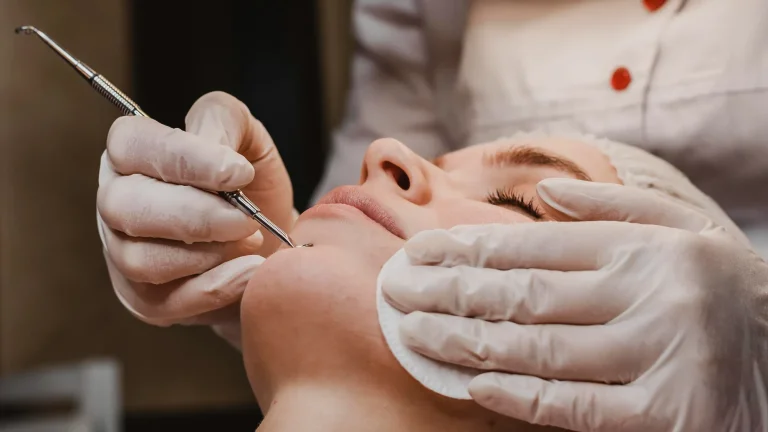
Acne scars can linger long after breakouts fade, leaving many people feeling self-conscious about uneven skin texture. These marks affect confidence and daily life, but effective acne scar treatment options exist to smooth and rejuvenate your complexion. From lasers to professional facials, modern solutions deliver noticeable improvements.
Many seek acne scar treatment to regain smooth skin without invasive surgery. Clinics equipped with advanced technology make these options accessible and safe. For instance, exploring facial treatments at specialised centres can reveal tailored paths to clearer skin.
Understanding your scar type is key before starting any acne scar treatment. Whether atrophic pits or raised keloids, matching the right method ensures better outcomes and minimal downtime.
Understanding Acne Scars and Types
Acne scar treatment begins with knowing what you are dealing with, as scars form when inflammation damages skin layers during healing. Deep breakouts like cysts or nodules often leave permanent traces, while milder pimples rarely do. Recognising these helps select the most suitable acne scar treatment.
Scars develop from collagen imbalance: too little creates depressions, too much forms ridges. Factors like genetics and skin tone influence severity, making personalised approaches essential.
Common Types of Acne Scars
Acne scars fall into distinct categories, each requiring specific handling in acne scar treatment. Atrophic scars, the most prevalent, appear as indentations from lost tissue. Hypertrophic or keloid scars rise above the skin surface due to excess collagen.
- Ice pick scars: Narrow, deep pits that puncture the skin, often needing laser resurfacing.
- Boxcar scars: Broad, box-like depressions with sharp edges, responsive to chemical peels.
- Rolling scars: Wavy undulations from fibrous bands beneath, improved by subcision techniques.
- Hypertrophic scars: Thickened raised areas that soften with steroid injections.
- Keloid scars: Overgrown tissue extending beyond the original spot, common in darker skin tones.
Detailed assessment by experts prevents mismatched treatments and promotes even results.
Causes Behind Persistent Scars
Picking at pimples worsens scarring by spreading bacteria and delaying healing. Poor wound care or sun exposure without protection further entrenches marks. Hormonal fluctuations during adolescence amplify risks, turning temporary spots into lasting concerns.
Those with oily skin or a history of severe acne face higher chances. Proper skincare routines mitigate this, but professional intervention often proves necessary for entrenched cases.
Professional Acne Scar Treatment Options
Professional acne scar treatment stands out for precision and speed, outperforming home remedies in clinical studies. Dermatologists use targeted devices to rebuild collagen and resurface skin. Sessions typically last 30-60 minutes with progressive improvements over weeks.
These methods suit various budgets and downtime levels. Patients often combine them for optimal results, guided by skin analysis.
Laser Therapies for Resurfacing
Lasers dominate acne scar treatment by vaporising damaged layers and stimulating renewal. Fractional lasers like CO2 or Erbium create micro-injuries that trigger healing without full ablation. PicoSure Pro, for example, delivers ultra-short pulses for minimal heat damage.
Results show 50-75% improvement after 3-5 sessions, per studies from the American Academy of Dermatology (AAD). Downtime varies from one day of redness to a week of peeling.
- Ablative lasers: Remove outer layers for dramatic smoothing, ideal for deep scars (best for fair skin).
- Non-ablative lasers: Heat deeper tissues without surface disruption, suiting active lifestyles.
- Fractional lasers: Treat only portions of skin, speeding recovery while targeting pits.
Microneedling and Chemical Peels
Microneedling involves fine needles creating channels that boost collagen, effective for rolling and boxcar scars. Paired with radiofrequency, it enhances penetration of serums for deeper impact. Expect 4-6 sessions spaced monthly.
Chemical peels exfoliate with acids like TCA or glycolic, levelling texture over multiple layers. Medium-depth peels address moderate scars, revealing fresher skin after neutralisation.
At-Home and Preventive Acne Scar Treatment Strategies
Complementing professional acne scar treatment with home care sustains gains and prevents new scars. Daily habits build resilience, reducing recurrence. Consistency matters more than intensity here.
Start simple, then layer in actives as skin adapts. Always patch-test to avoid irritation.
Benefits of Stem Cell Skin Therapy for Anti-Aging
Stem cell skin therapy transforms anti-aging by addressing root causes like depleted cellular reserves and matrix degradation. Individuals over 35 experience renewed firmness and radiance, countering hormonal shifts and lifestyle factors.
This therapy integrates seamlessly into routines with low downtime, appealing to professionals balancing work and wellness. It tackles fine lines, volume loss, and texture holistically for comprehensive renewal.
Topical Products and Routines
Silicone gels and onion extract creams hydrate and flatten raised scars over 8-12 weeks. Retinoids like tretinoin accelerate turnover, fading mild marks gradually.
Vitamin C serums brighten hyperpigmentation, a common scar companion. Use sunscreen daily (SPF 30+) to block UV worsening.
- Apply hyaluronic acid: Hydrates depressions for plumper appearance within days.
- Incorporate niacinamide: Reduces inflammation and evens tone over 4 weeks.
- Layer peptide serums: Supports repair, minimising future pitting.
- Apply hyaluronic acid: Hydrates depressions for plumper appearance within days.
Lifestyle Tips to Minimise Scarring
Diet influences healing; omega-3s from fish reduce inflammation, while sugar spikes hinder collagen. Stay hydrated and sleep 7-9 hours to aid overnight repair.
Avoid squeezing spots, opting for hydrocolloid patches instead. For personalised guidance, clinics like those detailed on the Our Services page offer routines matching your needs.

Frequently Asked Questions (FAQs)
Here are common questions about acne scar treatment we often receive, addressing everyday concerns for clearer decisions.
1. What is acne scar treatment and how does it work?
2. How long does acne scar treatment take to show results?
3. Is acne scar treatment safe for all skin types?
4. Can acne scar treatment prevent future breakouts?
5. How much does acne scar treatment cost?
Conclusion
Effective acne scar treatment transforms uneven skin into a smooth canvas, boosting daily confidence. Options from lasers to topicals cater to every need, delivering lasting clarity when chosen wisely.
Long-term benefits include resilient skin less prone to new marks, fostering a proactive skincare mindset. Learn more about expert options by visiting our Location page to book a consultation today.