
Proven Acne Scar Treatments for Deep, Stubborn Scars
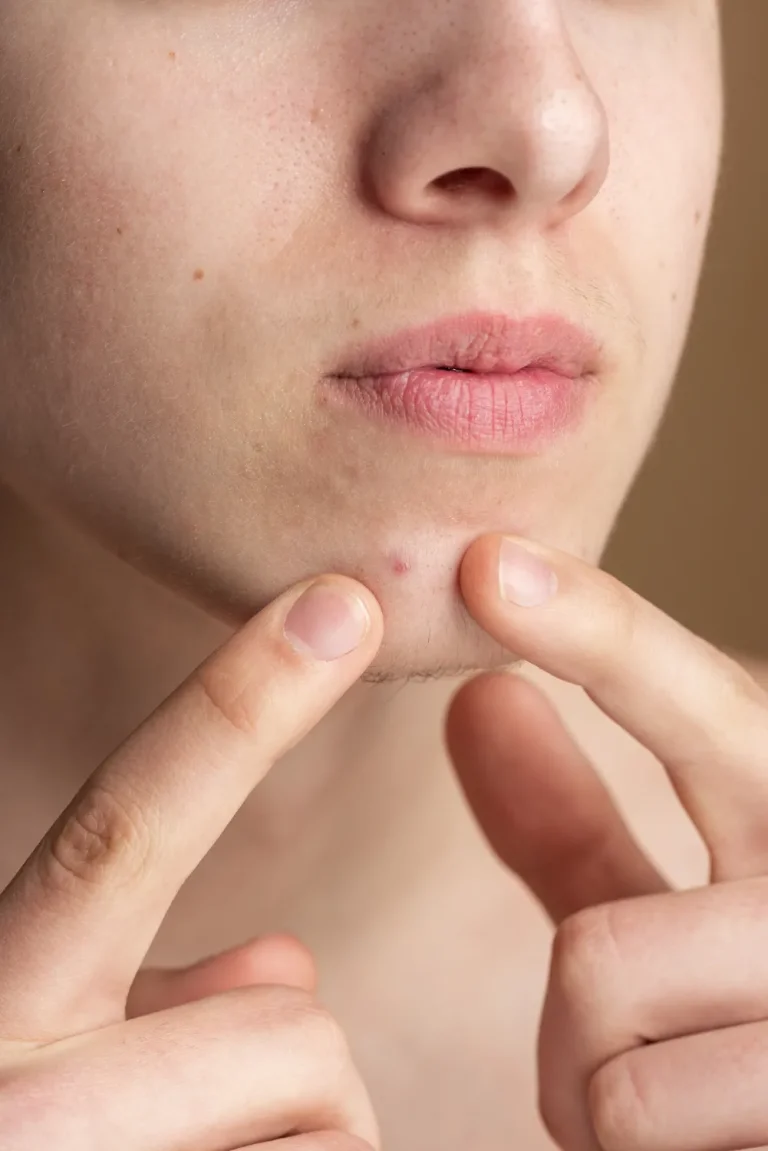
Deep, stubborn scars from acne can feel like a constant reminder of past breakouts, dimming your smile and confidence in social settings. Proven acne scar treatments now target these tough marks with precision, restoring smooth texture even after years. Patients often see transformative results that feel life-changing.
These advanced options go beyond surface fixes, addressing the root damage in deeper skin layers. For those tired of concealers, exploring facial treatments provides a starting point toward even skin. Stubborn scars demand methods backed by science and expertise.
Choosing the right proven acne scar treatment starts with identifying scar depth and skin response. What works for shallow marks may fall short for pitted or fibrous ones, so professional evaluation guides the best path forward.
Identifying Deep and Stubborn Acne Scars
Proven acne scar treatments shine when matched to specific scar types, especially deep ones resistant to basic creams. These form from severe inflammation that disrupts collagen production long-term. Understanding their nature sets realistic expectations for recovery.
Deeper scars trap shadows and alter light reflection, making skin look uneven under any lighting. Early intervention prevents worsening, but even old scars respond to modern techniques.
Characteristics of Stubborn Scars
Deep acne scars resist fading because they involve dermal damage, not just surface pigmentation. Ice pick and boxcar types create sharp pits, while rolling scars form from anchored fibrous bands pulling skin downward.
- Ice pick scars: Deep, narrow V-shaped holes resembling puncture wounds, tough due to minimal surrounding tissue.
- Boxcar scars: Wide, rectangular depressions with defined edges, persisting from collagen loss.
- Rolling scars: Soft, wavy contours from short bands beneath, giving a mattress-like appearance.
- Hypertrophic scars: Firm raised patches from excess collagen, common on the back or chest.
- Keloids: Overgrown scars beyond original boundaries, growing progressively in prone individuals.
Recognition allows tailored proven acne scar treatments that break down fibrosis and rebuild structure.
Factors Making Scars More Resistant
Delayed treatment lets inflammation harden into permanent changes, especially if picking or squeezing occurs. Darker skin tones risk hyperpigmentation alongside texture issues, complicating recovery. Genetics play a role too, with some producing irregular collagen.
Sun damage accelerates stubbornness by breaking down new growth. Consistent protection becomes non-negotiable alongside any acne scar treatment plan.
Top Professional Treatments for Stubborn Scars
Proven acne scar treatments from clinics deliver superior results for deep scars, leveraging technology unavailable at home. These stimulate massive collagen remodelling over multiple sessions. Downtime and costs vary, but outcomes justify investment for many.
Experts customise protocols based on scar density and patient lifestyle, ensuring safety and efficacy.
Advanced Laser Resurfacing Techniques
Lasers excel in proven acne scar treatments by precisely ablating scarred tissue and heating dermis for regeneration. Fractional CO2 lasers create columns of damage, sparing healthy skin for faster healing. Non-ablative options like Nd:YAG penetrate deeply without surface removal.
Clinical data from the American Academy of Dermatology shows up to 70% improvement in deep scars after 3-5 sessions (AAD).
- Fractional CO2 lasers: Best for severe pits, vaporising layers for 50-80% smoothing (ideal for lighter skin, 5-7 days downtime).
- Erbium YAG lasers: Gentler ablation with less thermal spread, suiting moderate depth (quicker recovery in 3-5 days).
- Picosecond lasers: Shatter pigment and stimulate collagen via photo-mechanical effect (minimal redness, active skin friendly).
- Pulsed dye lasers: Target redness in fresh scars, reducing inflammation first (vascular focus, 1-2 days pinkness).
Microneedling Radiofrequency and Subcision
Microneedling radiofrequency combines needles with heat to contract tissues and release anchors in rolling scars. Devices insulate tips for epidermal safety while energising deeper layers. Patients notice tightening within weeks.
Subcision severs fibrous tethers under scars using a needle, allowing skin to lift naturally. Fillers often follow to plump depressions immediately.
- Prepare skin: Cleanse and numb for 30 minutes pre-procedure.
- Insert needles: Create micro-channels at varying depths for collagen induction.
- Deliver energy: Radiofrequency tightens bands instantly.
Apply serums: Growth factors soak in for enhanced repair.
Combining Treatments with Home Maintenance
Layering proven acne scar treatments with daily care maximises retention of professional gains. This hybrid approach prevents regression and builds skin resilience. Start conservatively to avoid overload.
Home steps bridge sessions, maintaining momentum without overwhelming sensitive skin.
Synergistic Skincare Regimens
Retinoids ramp up cell turnover, complementing lasers by clearing debris faster. Hydroquinone or tranexamic acid target post-inflammatory brown spots shadowing scars. Silicone sheets flatten raised areas overnight for months.
Centella asiatica soothes barrier function, reducing irritation risks between treatments.
- Cleanse gently: Use pH-balanced washes twice daily to preserve moisture.
- Apply actives: Retinol at night builds tolerance over 4 weeks for fading.
- Moisturise deeply: Ceramide creams lock in hydration, plumping texture.
- Protect daily: Broad-spectrum SPF 50 blocks UV degradation of new collagen.
Daily Habits to Support Results
Stress elevates cortisol, slowing healing, so mindfulness practices aid recovery. Antioxidant-rich diets with berries and greens neutralise free radicals harming repairs. Hydration keeps skin supple for better product absorption.
For comprehensive support, pages like Our Services outline combined protocols from trusted providers.

Frequently Asked Questions (FAQs)
Here are common questions about proven acne scar treatments for deep, stubborn scars we often receive, helping you navigate options confidently.
1. What is proven acne scar treatment and how does it work?
2. How long does proven acne scar treatment take for deep scars?
3. Is proven acne scar treatment safe for sensitive or dark skin?
4. Can proven acne scar treatment remove scars completely?
5. How often should you get proven acne scar treatment sessions?
Conclusion
Proven acne scar treatments offer hope for deep, stubborn marks, turning textured skin into a smooth, confident canvas. From lasers to synergistic home care, these methods deliver measurable, enduring improvements tailored to real needs.
Embracing them fosters not just aesthetic gains but lasting skin health. Find branches near you via our Location page and start your journey to clearer skin today.