
HIFU Treatment: Best Age and Skin Types Explained
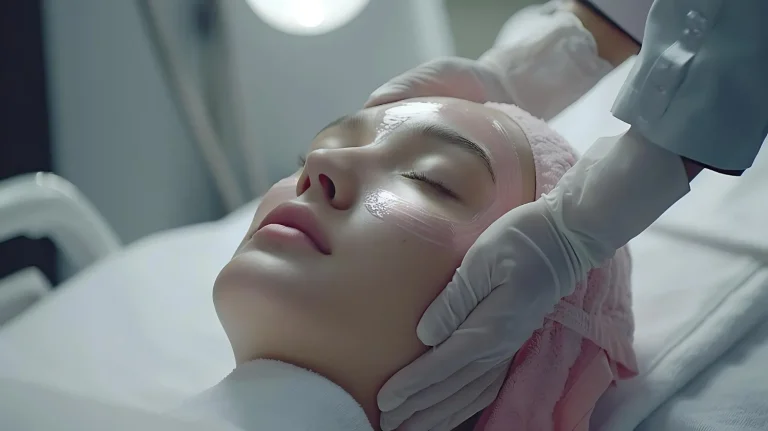
Many people notice fine lines and sagging skin as they age, prompting a search for non-invasive solutions that deliver real results. HIFU treatment stands out as a popular choice for lifting and tightening the face without surgery. This ultrasound-based therapy targets deeper skin layers to stimulate natural collagen production, offering a natural way to restore youthful contours.
If you wonder about the right time to try HIFU treatment, factors like age and skin type play key roles in achieving optimal outcomes. Clinics such as those detailed on the Our Services page offer tailored options that suit various needs and lifestyles. Understanding these elements helps you make an informed decision about incorporating it into your skincare routine for long-term skin health.
What is HIFU Treatment?
HIFU treatment harnesses high-intensity focused ultrasound to rejuvenate skin by reaching deep dermal layers without harming the surface. Individuals turn to it for effective lifting of areas like the jawline, eyebrows, and neck, with visible improvements emerging over several weeks as new collagen forms naturally.
The technology works by emitting precise ultrasound waves that generate controlled heat points within the skin. These thermal coagulation points activate the body’s repair mechanisms, leading to gradual firming and tightening. This approach proves especially appealing for those seeking results without the need for extended recovery periods. For more on the science behind it, explore the detailed overview at Dr K Clinic.
How HIFU Treatment Works Step by Step
The session begins with a thorough consultation, where the practitioner evaluates your skin condition and identifies specific target zones for treatment. They then apply a cooling gel and use a specialised handheld device to deliver focused ultrasound energy to precise depths, typically 1.5mm for the upper dermis, 3mm for the mid-dermis, and 4.5mm for the deeper SMAS layer.
This energy creates micro-thermal zones reaching temperatures of 60 to 70 degrees Celsius, which denatures old collagen fibres and stimulates fresh production along with elastin. Patients commonly experience brief sensations of warmth, tingling, or slight prickling, but topical numbing cream minimises any discomfort, and no general anaesthesia is required. Full effects unfold progressively as the skin remodels itself over the following months.
Key Benefits of HIFU Treatment
HIFU treatment delivers sustained tightening and lifting effects that can endure for 1 to 2 years when supported by consistent skincare practices. Its non-invasive nature allows most people to resume daily activities immediately, fitting seamlessly into demanding schedules.
- Stimulates natural collagen production: Enhances firmness and elasticity from within over 3 to 6 months post-treatment.
- Precisely targets multiple skin depths: Effectively treats superficial wrinkles alongside deeper sagging issues.
- Requires no incisions or downtime: Any mild redness or swelling typically resolves within a few hours.
Offers customisable intensity levels: Allows tailoring for subtle maintenance or more pronounced rejuvenation based on individual goals.
Best Age for HIFU Treatment
Initiating HIFU treatment at an appropriate age enhances its preventive and corrective potential against common signs of ageing. Those in their late 20s to early 30s frequently opt for it as a proactive measure, whereas individuals over 40 use it to counteract more noticeable skin laxity.
The skin’s responsiveness hinges on retaining sufficient elasticity, which enables the ultrasound energy to penetrate effectively and promote robust collagen regeneration. Younger users often enjoy prolonged results through periodic maintenance treatments spaced every 1 to 2 years, preserving their natural appearance longer.
Ideal Age Groups and Expectations
Individuals aged 30 to 45 generally experience the most striking transformations from HIFU treatment, particularly for mild to moderate sagging in the cheeks, nasolabial folds, and neck regions. Improvements in lift and definition become evident around 2 to 3 months after the procedure, peaking further by the six-month mark.
For those between 45 and 60, HIFU treatment excels in addressing deeper creases, jowls, and loss of volume, often requiring adjusted energy settings for optimal penetration. Combining it with daily sun protection and hydration routines significantly extends the smoothness and firmness achieved.
People over 60 still benefit considerably, though integrating complementary treatments like dermal fillers can amplify contouring and overall rejuvenation. Seeking guidance from seasoned professionals like Dr. Tristan Tan ensures strategies aligned with personal skin history and future aspirations.
Factors Influencing Age Suitability
Daily lifestyle habits profoundly impact the ideal timing for starting HIFU treatment. Prolonged sun exposure, for instance, hastens collagen breakdown, leading active outdoor individuals to consider earlier intervention for prevention.
Genetic predispositions also dictate onset; some inherit thinner skin prone to early laxity in their 30s, while others maintain resilience longer. Women often explore HIFU treatment following hormonal fluctuations from pregnancy, perimenopause, or menopause, which accelerate skin loosening due to oestrogen decline.
Key Benefits of Pico Laser Treatment
HIFU treatment proves versatile across diverse skin tones and textures, yet specific profiles yield the most impressive outcomes. It performs exceptionally on skin exhibiting good baseline elasticity combined with initial laxity signs, irrespective of whether the skin leans oily, dry, or balanced.
Those with darker complexions appreciate its safety profile, as the ultrasound energy skips the epidermis entirely, sidestepping risks of hyperpigmentation or burns. Oily skin types recover swiftly thanks to inherent sebum production that supports healing.
Skin Types That Respond Well
Fair to medium skin tones frequently demonstrate accelerated tightening post-HIFU treatment, benefiting from efficient energy transmission unhindered by higher melanin levels.
- Normal to combination skin: Maintains ideal hydration levels for seamless post-treatment recovery and glow.
- Oily skin: Leverages natural oils to prevent dryness and promote even faster collagen synthesis.
- Mature dry skin: Replenishes depleted collagen to improve moisture retention and plumpness over time.
- Sensitive skin: Enjoys minimal irritation and quick resolution of any transient redness.
Individuals with thicker dermal layers, common in Asian or Mediterranean ethnicities, tolerate deeper ultrasound penetration comfortably, maximising lift in stubborn areas.
Skin Types to Approach with Caution
Extremely thin or delicate skin demands reduced energy intensities during HIFU treatment to prevent undue sensitivity or bruising. Active inflammatory conditions such as severe acne, rosacea, or eczema necessitate prior resolution to avoid exacerbating issues.
Heavily sun-damaged skin with extensive photoaging may require preparatory laser resurfacing before HIFU treatment for uniform results. Insights from resources like What is an Aesthetic Clinic? underscore the value of comprehensive professional evaluations to customise protocols safely.
Frequently Asked Questions (FAQs)
Here are common questions about HIFU treatment we often receive from those considering non-surgical facial lifting options. These insights help clarify expectations and guide informed choices.
1. What is HIFU treatment and how does it work?
2. How long does HIFU treatment last?
3. Is HIFU treatment painful?
4. Can HIFU treatment be combined with other procedures?
5. Is HIFU treatment safe for all skin types?
Conclusion
HIFU treatment emerges as a dependable, science-backed avenue to firmer, more youthful skin adaptable to different ages and types. Its capacity to ignite collagen renewal delivers enduring lift and tone sans surgical intervention, positioning it as a cornerstone for forward-thinking skincare regimens.
Over time, consistent applications safeguard facial structure and stave off progressive ageing markers, empowering sustained confidence. Delve into personalised possibilities via the Our Services page or connect through the Contact Us section to craft your tailored rejuvenation journey.