
Stem Cell Therapy: Realistic Results and Expectations
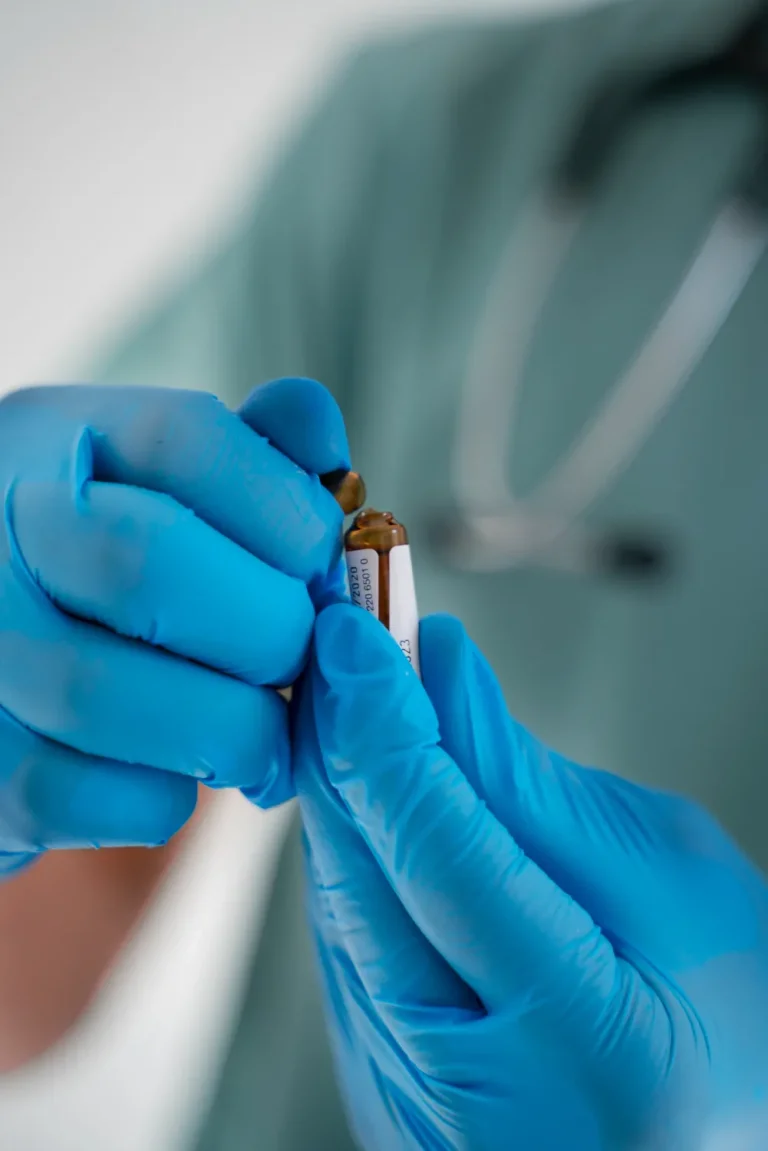
Stem cell therapy captivates those battling chronic joint pain or seeking skin renewal, leveraging the body’s innate repair system for lasting relief. In Malaysia, where degenerative conditions rise with active lifestyles, patients weigh its promise against practical outcomes. This guide details realistic results, drawing from clinical practices and local regulations to inform decisions.
These versatile cells differentiate into needed types, filling gaps left by injury or age. Reputable clinics, as outlined on the Our Services page, adhere to strict protocols for safe delivery. Grasping stem cell therapy’s mechanisms and limits empowers realistic expectations.
What Are Stem Cells and How Do They Work?
Stem cell therapy employs undifferentiated cells to orchestrate tissue regeneration, surpassing symptom-focused treatments. Harvested from accessible sources, they integrate seamlessly, targeting inflammation and repair in joints or skin.
Types of Stem Cells in Clinical Use
Adult mesenchymal stem cells dominate therapies, sourced from bone marrow, adipose tissue, or umbilical cord. Autologous adipose-derived cells prove popular due to abundance—up to 500 times more than marrow—and simple extraction via mini-liposuction under local anaesthesia.
These cells possess multipotency, transforming into bone, cartilage, or fat as needed. In Malaysia, MOH guidelines on stem cell therapy prioritise autologous use to sidestep ethical issues with embryonic cells, ensuring compatibility and reduced immune reactions.
Detailed Mechanism of Repair
Post-injection, stem cells adhere to damaged sites, secreting over 100 bioactive factors like VEGF for vessel growth and TGF-beta for matrix synthesis. This paracrine action awakens dormant local cells, curbing cytokines that fuel inflammation.
For knee osteoarthritis, this cascade thickens cartilage from 2mm to 3mm over months, per imaging studies. Dosage matters: 30-60 million viable cells optimise homing, with vitality assessed via flow cytometry pre-injection. Effects build gradually, mirroring natural healing, with vitality checked before use.
Realistic Applications in Modern Practice
Stem cell therapy excels in orthopaedics and aesthetics, yielding progressive gains for moderate cases. Selection criteria, including MRI assessments, predict 70% success rates, emphasising patient-specific tailoring.
Joint and Orthopaedic Repair Strategies
Osteoarthritis patients receive ultrasound-guided injections into synovial spaces, concentrating stem cells amid degradative enzymes. Processing involves enzymatic digestion or mechanical disruption to yield pure populations, free of debris.
Clinical data shows 65% pain score drops at 12 months, versus 30% for placebo. Patients regain 20-30% knee flexion, resuming golf or hiking. Compared to PRP, stem cells sustain benefits twice as long by fostering true regeneration.
Experts like Dr. Tristan Tan blend this with low-level laser for synergy, accelerating recovery in Malaysian climates prone to humidity-induced flares.
Skin Rejuvenation and Wound Protocols
For facial ageing, stem cell-enriched fat grafts or intradermal injections stimulate fibroblasts, elevating collagen I by 25-40%. Sessions combine with microneedling to enhance penetration, minimising downtime to 48 hours.
Ranked outcomes by measurable impact:
- Texture refinement: 50% smoother epidermis in 8 weeks, targeting rough patches from sun exposure.
- Wrinkle attenuation: 35% depth reduction, focusing dynamic forehead lines.
- Hyperpigmentation fade: Clears 60% melasma spots after 3 cycles, common in tropical regions.
- Elasticity surge: 28% improvement via cutometer tests, restoring youthful bounce.
Tropical skin benefits from anti-inflammatory modulation against daily UV stress.
Benefits Versus Realistic Limitations
Stem cell therapy shifts paradigms toward biological restoration, yet demands patience amid biological variability. It outperforms palliatives in durability, with costs reflecting advanced processing.
Key Advantages Ranked by Impact
Minimal invasiveness suits working adults, with 90% resuming work next day. Multifactor secretion addresses root causes holistically.
Prioritised benefits:
- Prolonged analgesia: 2 years median, halving intervention frequency for busy lifestyles.
- Regenerative depth: Restores 40% tissue volume naturally, avoiding synthetic fillers.
- Inflammation mastery: Lowers markers by 50% persistently, easing chronic flares.
- Adaptability: Scales for spine, hands, or scalp applications without major surgery.
Malaysian patients value this for humid-weather joint strains and skin concerns.
Constraints and Outcome Predictors
Advanced disease limits gains to 30-50%; smokers see 20% less efficacy due to oxidative stress on cells. Sessions cost RM10,000-25,000, with 2-3 needed yearly for maintenance.
Accredited labs ensure GMP standards, mitigating tumour risks below 0.1%. Lifestyle integration, like anti-inflammatory diets rich in turmeric and omega-3s, boosts cell retention. Holistic centres, detailed in What is an Aesthetic Clinic?, optimise protocols with physio and nutrition.
Frequently Asked Questions (FAQs)
These address frequent Malaysian queries on stem cell therapy, from approvals to daily integration.
1. What is stem cell therapy and how does it work?
2. Is stem cell therapy regulated in Malaysia?
3. What timeline for noticeable results?
4. What side effects occur?
5. Ideal candidates for treatment?
Conclusion
Stem cell therapy furnishes reliable regeneration for joints and skin, fostering enduring vitality through precise biological cues. Realistic adherence yields transformative mobility and aesthetics without invasive downtime.
Malaysia’s robust framework safeguards quality, maximising benefits for local needs. Tailor your journey via the Our Services page or specialist consultation.