
Microneedling Treatment vs Laser: Which Fits Your Needs?
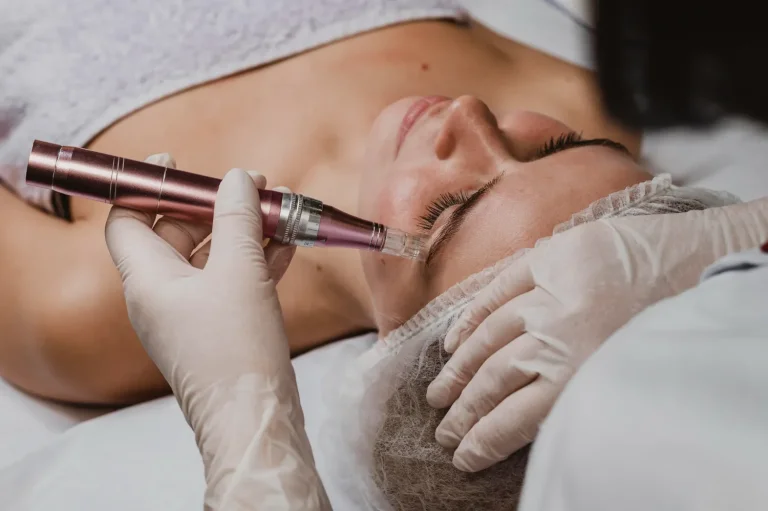
Struggling to decide between microneedling treatment and laser for smoother, brighter skin in Malaysia’s tropical environment? Both options rejuvenate by boosting collagen, yet they differ sharply in approach, recovery time, and suitability for Asian skin tones prone to pigmentation issues. Microneedling treatment employs a device with ultra-fine sterile needles, typically 0.25 to 3.0mm in length, to create precise micro-channels that stimulate the dermis’s natural healing cascade without generating heat.
Lasers, on the other hand, deliver focused light energy to ablate, coagulate, or fragment skin components. Clinics like those described on the Our Services page often evaluate these factors during consultations to recommend the optimal path for concerns such as scars, wrinkles, or uneven tone.
This in-depth comparison explores mechanisms, strengths, limitations, and real-world scenarios to help you choose confidently.
How Microneedling Treatment Works
Microneedling treatment begins with thorough skin preparation, including gentle cleansing and application of a topical numbing agent for 20-30 minutes to ensure patient comfort. The practitioner then uses a motorised pen equipped with adjustable needle cartridges, gliding it systematically across targeted areas like the face, neck, or body, creating thousands of uniform micro-punctures per session.
These channels, which measure just 0.1mm wide, trigger three distinct healing phases: inflammation that recruits growth factors, proliferation where fibroblasts produce new collagen and elastin, and remodelling that strengthens tissue over 4-8 weeks. Sessions typically last 45-60 minutes, with depths customised from superficial 0.5mm for glow to 2.5mm for acne scars.
Detailed Step-by-Step Procedure
First, the skin undergoes disinfection to prevent contamination. Numbing takes effect, followed by marking zones for even treatment. The pen operates at controlled speeds, stamping or dragging to avoid overlap, while a vacuum or serum infusion enhances delivery.
Malaysia Ministry of Health guidelines stress sterile, single-use needles and qualified practitioners to uphold safety standards. Post-procedure, patients apply hyaluronic acid masks; mild redness resembling a sunburn subsides in 24-48 hours, allowing makeup resumption by day two.
A sales executive in Petaling Jaya fits this into her lunch break, noticing refined pores after the first visit.
Standout Benefits for Comprehensive Renewal
Microneedling treatment uniquely opens temporary pathways, increasing topical absorption by up to 80 percent, so actives like vitamin C or growth factors reach deeper layers for amplified hydration and repair. Its mechanical nature avoids thermal damage, making it versatile for all skin types and cumulative texture improvements over 4-6 sessions spaced monthly.
Laser Treatments Explained
Laser treatments operate on photothermolysis principles, where specific wavelengths from 532nm (for superficial redness) to 10,600nm (CO2 for deep resurfacing) target chromophores like melanin, haemoglobin, or water. Ablative lasers such as fractional CO2 vaporise epidermal columns and coagulate dermis, forcing rapid turnover, while non-ablative like Nd:YAG warm collagen sub-surface without peeling.
Pulse durations range from picoseconds for pigment shattering to milliseconds for vessel closure, with built-in cooling sprays or cryogen mitigating discomfort during 20-90 minute procedures tailored by fluence, spot size, and density settings.
Core Types and Precision Applications
Fractional CO2 lasers create microscopic ablation zones for severe wrinkles or scars, yielding dramatic resurfacing with 7-14 days of crusting and peeling. Erbium YAG provides gentler ablation for moderate lines, recovering in 3-7 days with less erythema. Pico-second lasers pulse ultra-fast to fracture melasma or tattoo ink without heat diffusion.
Q-switched Nd:YAG safely treats vascular lesions on darker skins, and IPL uses broad-spectrum filters for sun damage or rosacea via multiple passes. Parameters adjust per Fitzpatrick scale to balance efficacy and risk.
Advantages of Targeted Thermal Action
Lasers induce immediate collagen contraction for visible tightening post-session, alongside neocollagenesis that peaks at 3 months, excelling at selective pigment or vascular clearance where broad stimulation falls short. This precision suits focal issues like freckles or spider veins.
Key Differences: Microneedling vs Laser
Microneedling treatment induces broad, isotropic repair through physical micro-trauma, uniformly rebuilding dermal matrix without heat, ideal for texture and laxity. Lasers deliver anisotropic thermal effects, concentrating on pigmented or vascular targets for faster superficial results but with higher inflammation risks.
Microneedling requires 4-6 sessions at RM600-1,800 each, with 1-3 days of pinkness and topical numbing sufficing for pain. Lasers demand 1-3 visits at RM1,500-5,000, often needing sedation plus 3-14 days recovery for ablative types, with moderate discomfort despite cooling.
Heat-free microneedling minimises post-inflammatory hyperpigmentation on types IV-VI, while lasers pose moderate-high risk without perfect tuning. Needles excel at scars and pores universally; lasers dominate pigment and vessels.
For instance, a mother with post-pregnancy stretch marks selects microneedling for safe body-wide smoothing. A golfer with cheek sun spots prefers pico laser’s swift pigment demolition despite a healing weekend.
When to Choose Each Treatment Option
Select microneedling treatment for lifestyles demanding quick recovery and deep, natural rebuilding, particularly if heat sensitivity or budget constraints apply. Lasers fit when rapid, precise correction of colour or vessels outweighs extended downtime.
Professional assessments consider tone, concern severity, and maintenance willingness.
Ranked Priorities for Microneedling Treatment
These factors, ordered by transformative impact:
- Minimal downtime supports uninterrupted routines, with flush fading overnight for daily activities.
- Adjustable depths address multi-layer issues like rolling scars and enlarged pores effectively.
- Lower cumulative cost delivers sustained collagen gains over series.
- Thermal absence slashes PIH risk in humid, UV-intense Malaysian settings.
- Serum integration maximises everyday skincare efficiency for prolonged radiance.
Lasers take precedence for stubborn discolouration.
Best Laser Scenarios and Synergistic Combinations
Solar lentigines clear rapidly with IPL’s coverage. Experts featured in the Dr. Tristan Tan Profile frequently combine: lasers eliminate pigment first, followed by microneedling for texture refinement, optimising outcomes while trimming visits.
Fairer tones accelerate with ablatives during off-seasons.

Frequently Asked Questions (FAQs)
Here are common questions about microneedling treatment compared to lasers we often receive, clarifying practical choices.
1. What is microneedling treatment and how does it work?
2. Can microneedling achieve laser-level wrinkle reduction?
3. How do recovery times truly differ?
4. Is microneedling safer for Malaysian skin tones?
5. Which option yields better long-term value?
Conclusion
Microneedling treatment and lasers address skin needs through complementary strengths, mechanical depth versus thermal accuracy. The right selection promises efficient, enduring rejuvenation aligned with your profile.
Over time, either fortifies against environmental wear and ageing when chosen aptly. Personalise your plan via Facial Treatments or Contact Us with specialist input.