
Hair Treatment Essentials: Restore Your Locks
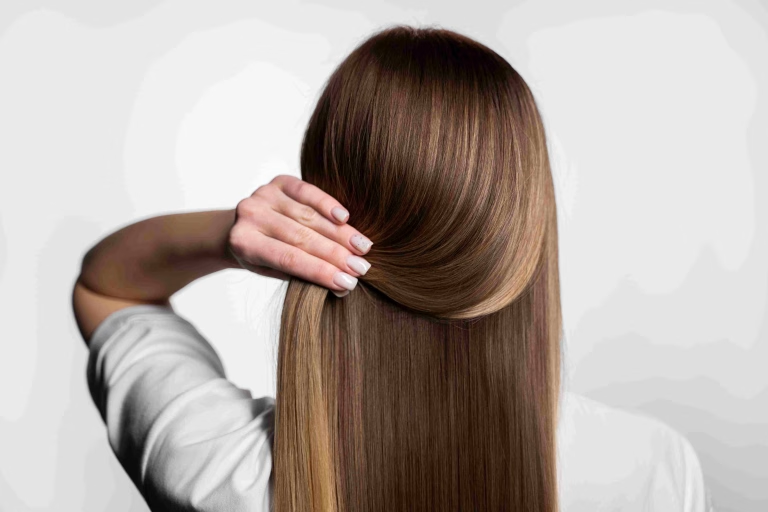
Thinning hair or persistent fallout can affect confidence and daily comfort, leaving many searching for reliable solutions. A professional hair treatment addresses these issues by targeting root causes like hormonal changes or scalp health, promoting regrowth and strength. These therapies range from non-invasive options to advanced regenerative methods, offering hope for fuller, vibrant strands.
In aesthetic settings, hair treatments combine medical insight with cosmetic expertise for personalised results. Individuals often see improvements in density and texture after consistent sessions, transforming sparse areas into healthy growth. For a glimpse into comprehensive approaches, review the hair treatment solutions tailored to various concerns.
Modern hair treatments adapt to lifestyles, providing minimal downtime and natural outcomes. Whether combating stress-related shedding or age-induced loss, they empower proactive care. This guide explores options to help select what suits your needs best.
Types of Hair Treatments Available
Hair treatments encompass a variety of methods designed to nourish the scalp and follicles, countering common issues like androgenetic alopecia or environmental damage. From topical applications to injectable therapies, these interventions stimulate circulation and repair at cellular levels. Clinics select based on severity, ensuring efficacy without overwhelming the body.
Innovative techniques leverage growth factors and lasers for precise action, outperforming basic shampoos. Patients appreciate the versatility, allowing combinations for enhanced effects. In Malaysia, regulated practices ensure safety, with providers adhering to health standards for optimal delivery.
Advanced Regenerative Hair Treatments
Platelet-rich plasma (PRP) involves drawing blood, concentrating platelets, and injecting into the scalp to release growth factors. This autologous method boosts follicle activity, particularly for early thinning, with sessions spaced monthly for progression. Stem cell or exosome therapies amplify repair, drawing from adipose sources for natural stimulation.
Mesotherapy delivers vitamins and minerals via micro-injections, revitalising the scalp environment. These suit chronic conditions, fostering prolonged health. Compared to surgery, they offer subtlety, appealing to gradual restoration seekers.
Benefits of Professional Hair Treatments
Undergoing a hair treatment at a clinic yields superior outcomes compared to home remedies, thanks to expert assessment and potent formulations. Benefits include halted progression of loss and accelerated regrowth, enhancing overall scalp vitality. Many report emotional uplift from visible changes, reclaiming styles once avoided.
Professional oversight minimises risks, customising to hair type and lifestyle for sustained gains. These treatments not only address symptoms but fortify against future stressors like pollution. Evidence from clinical studies supports their role in improving quality of life for affected individuals.
Thicker, Healthier Hair Growth
Treatments like PRP increase follicle density by 20-30% in responsive cases, yielding fuller coverage over three to six months. This prioritises high-impact results first, with early sessions targeting dormant roots for quickest revival. Users notice reduced shedding, allowing bolder hairstyles.
Beyond volume, therapies enhance strand calibre, making hair less prone to snaps. In scenarios like post-partum recovery, they restore pre-loss thickness efficiently. This benefit ranks top for its direct influence on appearance and self-perception.
Scalp Health and Long-Term Maintenance
Revitalised scalps resist inflammation and dandruff, creating a fertile base for ongoing growth. Laser sessions improve microcirculation, sustaining benefits between applications. Professional guidance includes dietary tips, extending efficacy beyond the clinic.
For chronic sufferers, maintenance prevents recurrence, unlike sporadic home efforts. Comparisons show clinic results last longer, reducing frequency of interventions. This foundational health supports diverse hair goals, from straighteners to natural waves.
Choosing the Right Hair Treatment for You
Selecting an appropriate hair treatment requires understanding personal factors like loss pattern and medical history. Clinics conduct thorough evaluations, often via trichoscopy, to recommend fits. This ensures alignment with goals, whether restoration or prevention, maximising return on investment.
Reputable providers in Malaysia emphasise evidence-based options, avoiding unproven fads. Consultations build clarity, discussing timelines and expectations upfront. Prioritising licensed facilities safeguards against subpar results or complications.
Assessing Your Hair Loss Causes
Identify triggers such as genetics, nutrition deficiencies, or thyroid imbalances through diagnostic tools. For pattern baldness, regenerative options like hair restoration prove effective by addressing dihydrotestosterone effects. Hormonal tests guide tailored plans, preventing mismatched therapies.
Environmental factors like heat styling warrant protective treatments alongside. Relatable for urban dwellers, these assessments pinpoint pollution’s role, suggesting detox protocols. This step clarifies urgency, directing to potent solutions early.
Evaluating Clinic Credentials and Options
Seek dermatologist-led centres with before-after evidence and patient testimonials. Experience in diverse cases, from alopecia areata to telogen effluvium, indicates versatility. Verify use of FDA-approved devices for lasers or PRP kits.
Cost-benefit analysis weighs session numbers against longevity, with packages offering value. Comparisons reveal some clinics integrate nutrition counselling, enhancing holistic care. Informed choice leads to confidence in the process.
Aftercare for Optimal Hair Treatment Results
Post-treatment care amplifies hair treatment efficacy, focusing on gentle habits to nurture new growth. Avoiding irritants like tight ponytails or harsh chemicals protects sensitive scalps during recovery. Consistent routines solidify gains, turning temporary improvements into lasting health.
Clinics provide bespoke advice, often including supplements for internal support. This phase emphasises patience, as full effects unfold gradually. Adherence correlates with superior outcomes, encouraging long-term commitment.
Daily Habits to Support Growth
Gently massage the scalp daily to sustain circulation, using lukewarm water for washes. Incorporate biotin-rich foods like nuts to bolster keratin production. Limit sun exposure with hats, preserving treated areas from UV damage.
- Shampoo twice weekly with sulphate-free formulas to cleanse without stripping.
- Apply prescribed serums nightly for targeted nourishment over four weeks.
- Avoid dyes or perms for six weeks post-session to allow settling.
- Sleep on silk pillows to minimise friction and breakage overnight.
These steps suit busy schedules, integrating seamlessly. For professionals, quick routines prevent setbacks from stress.
Common Mistakes to Avoid
Over-washing strips natural oils, hindering moisture retention essential for growth. Skipping follow-ups misses adjustments for evolving needs. Heat tools on high settings undo progress, favour low-heat alternatives instead.
In use cases like athletes, sweat management via breathable caps aids recovery. Avoiding these pitfalls, common among novices, ensures steady advancement. Balanced approaches yield resilient, manageable hair.
Frequently Asked Questions (FAQs)
1. What is hair treatment and how does it work?
2. Can hair treatment reverse baldness completely?
3. How long does it take to see results from hair treatment?
4. Is hair treatment safe for all ages and genders?
5. What maintenance is needed after hair treatment?
Conclusion
Hair treatment provides accessible paths to reclaim vitality and style, tackling loss through innovative, non-invasive means. These options not only restore appearance but nurture scalp resilience, fostering confidence that endures. Embracing professional care early prevents escalation, aligning beauty with wellness.
The array of therapies suits varied needs, from quick lasers to deep PRP, promising natural evolution over drastic changes. Long-term adherence yields thicker, healthier locks resilient to daily demands. To determine the ideal hair treatment for your situation, arrange a consultation using the book now option and step towards renewed growth.
The accessibility of stem cell options continues to grow, offering tailored paths for diverse concerns from wrinkles to thinning locks. Long-term adherence yields compounding benefits, transforming routines into proactive wellness. To explore treatments principles fit your needs, book a consultation through the book now featured and begin your regenerative journey.