
Which Is Better, Microneedling or Pico Laser? Davinci Clinic
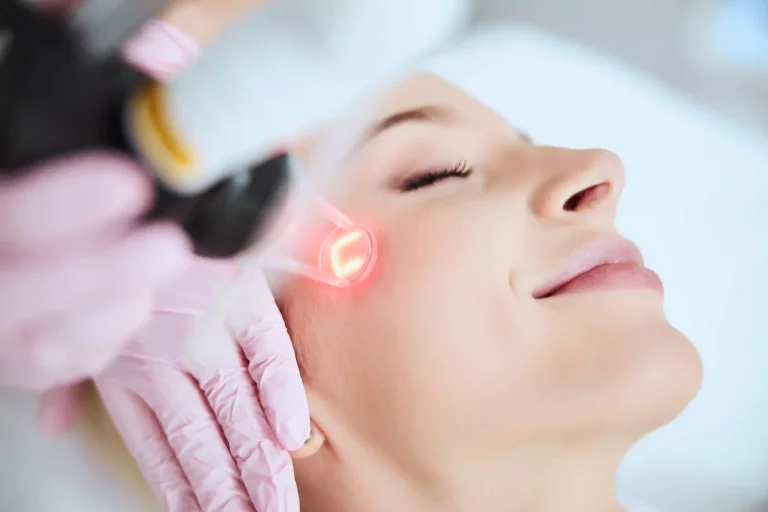
As we navigate the skincare landscape of 2026, many of us find ourselves overwhelmed by the sheer volume of advanced options available for skin rejuvenation. For those struggling with stubborn acne scarring, uneven skin tone, or the visible signs of ageing, the choice often boils down to two highly effective treatments. Understanding whether to choose microneedling or a pico laser can make all the difference in achieving the radiant, healthy complexion you have always desired.
At Davinci Clinic, we believe that informed patients achieve the most satisfying results because they understand how specific technologies interact with their unique skin biology. Many people are looking for ways to refresh their appearance without the lengthy downtime associated with traditional surgery or aggressive chemical peels. By exploring the nuances of these two popular procedures, you can determine which pathway aligns best with your lifestyle and aesthetic goals.
Both methods have earned their place in modern dermatology for their ability to trigger the natural healing mechanisms of the body, yet they operate on entirely different principles. While one relies on physical stimulation to remodel the surface, the other uses ultra-fast energy to target deeper issues like pigmentation from within. Whether you are dealing with recent sun damage or deep-seated melasma pigmentation, selecting the right tool is the first step towards a more confident version of yourself.
Understanding the Scientific Innovation of Pico Laser
The world of aesthetic medicine has seen incredible leaps in technology, and the pico laser remains at the forefront of non-invasive skin correction in 2026. Unlike older generations of lasers that relied heavily on heat to destroy imperfections, this modern system delivers energy in trillionths of a second. This rapid delivery creates a photoacoustic effect, which effectively shatters unwanted pigment into tiny, dust-like particles that the body can then naturally eliminate.
How Photoacoustic Energy Targets Pigment
The primary benefit of using photoacoustic energy rather than thermal energy is the significant reduction in damage to the surrounding skin tissue. Because the laser pulses are so incredibly brief, the heat does not have enough time to spread, making it a much safer option for a wide range of skin types, including darker tones that might otherwise be prone to hyperpigmentation. This level of precision is why pico laser technology is often the first choice for professionals treating complex pigmentary disorders.
When the energy hits the target area, it creates tiny pressure waves that break down melanin clusters without burning the surface of the skin. This leads to a clearer and more uniform skin tone over a series of sessions, as the internal clearing process continues long after you have left the clinic. It is a highly efficient way to address sun spots and freckles while simultaneously refining the overall clarity of your face.
The Role of Collagen Stimulation in Skin Repair
Beyond its ability to clear away dark spots, this laser technology also works to rejuvenate the skin by creating microscopic bubbles within the deeper layers. These tiny air pockets, known as laser-induced optical breakdown, signal the body to produce fresh collagen and elastin. This process helps to plump the skin from the inside out, reducing the appearance of fine lines and providing a subtle lifting effect that looks entirely natural.
- Boosts the production of essential structural proteins.
- Refines the appearance of enlarged pores over time.
- Improves skin elasticity for a firmer and more youthful feel.
- Enhances the overall light reflection on the skin surface.
- Supports the long-term health of the dermal matrix.
Key Differences Between Pico Laser and Microneedling Results
While both treatments are capable of producing stunning improvements, they often excel in different areas of skin correction. Microneedling is frequently lauded for its ability to physically remodel the skin surface, making it a go-to for texture issues and structural scarring. In contrast, the pico laser is typically seen as the gold standard for colour correction and deep pigment removal where physical needles might not reach as effectively.
Managing Persistent Melasma and Dark Spots
For those who find that their dark spots are resistant to traditional creams and peels, light-based therapy offers a more targeted solution. Melasma, in particular, can be quite sensitive to heat, which is why the cool energy of a picosecond device is so advantageous. By breaking down the pigment into smaller fragments than ever before, the body can process and remove the discolouration more effectively, leading to a brighter and more even complexion.
According to the American Academy of Dermatology, modern laser treatments are highly effective at managing various forms of scarring and pigmentation when performed by trained experts. This scientific backing reinforces why so many individuals choose these advanced options over less predictable home remedies or basic facials.
Resurfacing Textured Skin and Large Pores
When the concern is primarily about the physical texture of the skin, such as pitted acne scars or a rough surface, microneedling often takes centre stage. By creating thousands of tiny micro channels, this treatment forces the skin to regenerate new tissue that is smoother and more uniform than the old, scarred layer. It is a mechanical process that physically breaks down tough scar tissue to allow for a fresh start.
- Smooths out deep indentations and rolling acne scars.
- Tightens the skin surface to reduce the visibility of pores.
- Evens out the rough texture caused by environmental damage.
- Increases the thickness of the epidermal layer for better protection.
- Softens the appearance of fine lines and wrinkles across the face.
The choice between these two often comes down to whether your primary goal is to change the “colour” of your skin or the “texture” of your skin. Professional clinics like Davinci Clinic can help you evaluate your specific needs during a detailed assessment.
Comparing Recovery Timelines and Treatment Comfort
One of the most significant factors for patients in 2026 is the amount of downtime required after a procedure. Both the pico laser and microneedling are considered minimally invasive, meaning they do not require surgery, but they do involve different healing processes. Understanding what happens in the days following your treatment will help you manage your schedule and expectations more effectively.
Navigating the Minimal Downtime of Laser Sessions
Because the laser energy is designed to bypass the top layer of the skin and target the deeper dermis, the visible side effects are often very mild. Most patients experience a slight pinkness or a sensation similar to a mild sunburn for a few hours. In many cases, you can even apply make-up and return to your daily routine the very next day, making it an incredibly convenient option for busy professionals.
The lack of open wounds means that the risk of infection is extremely low, and there is no need for extensive bandaging or specialised aftercare beyond basic sun protection. This ease of recovery is a major selling point for the pico laser among those who cannot afford to take several days off from work or social engagements while their skin peels or scabs.
What to Expect During the Microneedling Healing Phase
In contrast, microneedling involves physically puncturing the skin, which naturally requires a slightly more dedicated recovery period. You should expect your skin to be quite red for the first twenty-four to forty-eight hours, and some mild peeling or dryness is common as the old skin cells make way for the new. While this process is manageable, it does require a bit more patience as the micro channels close and the inflammation subsides.
- Avoid using active skincare ingredients like Vitamin C or Retinol.
- Focus on gentle hydration using fragrance-free moisturisers.
- Keep the treated area clean and avoid touching your face.
- Protect the skin from all forms of direct UV exposure.
- Drink plenty of water to support the internal healing process.
Tailoring Your Aesthetic Journey for Long-Term Results
As we move deeper into 2026, the trend in aesthetic medicine is moving away from a “one size fits all” approach and towards highly personalised treatment plans. Deciding between a pico laser and microneedling is not always about choosing one over the other, but rather about understanding which one fits your specific skin type and the stage of your rejuvenation journey.
Identifying Your Primary Skin Concerns
The first step in any successful transformation is a clear diagnosis of what you want to achieve. If your mirror shows a face with deep pigmentation, sun damage, or a dull tone, the laser is likely your best starting point. However, if you are more concerned with the structural integrity of your skin, such as sagging or deep acne pits, then the mechanical stimulation of needling might be the priority.
Many patients find that their needs change as they progress through their treatment plan. You might start with a series of laser sessions to clear away the dark spots and then transition to needling to refine the texture and firm up the skin. This sequential approach ensures that every aspect of your skin health is addressed with the most appropriate technology at the right time.
The Rise of Combination Therapy in 2026
One of the most exciting developments in modern clinics is the use of combination therapy, where different modalities are used in tandem to produce superior results. For example, some patients benefit from alternating between laser treatments and microneedling sessions to tackle both pigment and texture simultaneously. This comprehensive strategy often leads to a more dramatic and long-lasting improvement in skin quality.
- Combines the pigment-clearing power of light with physical resurfacing.
- Addresses multiple skin layers in a single, cohesive plan.
- Minimises the total number of sessions needed for complex issues.
- Provides a more robust boost to the natural collagen stores.
- Allows for a truly bespoke experience based on real-time skin feedback.

Frequently Asked Questions (FAQs)
Here are common questions about the pico laser we often receive from our patients:
1. What is a pico laser and how does it work?
2. Can a pico laser help with active acne or just the scars?
3. Is it safe to do microneedling on darker skin tones?
4. How long do I need to wait between treatment sessions?
5. Will I see immediate results after my first session?
Conclusion
Ultimately, the decision between microneedling and the pico laser depends on the specific story your skin is telling. Both treatments offer powerful, science-backed ways to reclaim a youthful and clear complexion in 2026. Whether you are looking to erase the shadow of melasma or smooth out the remnants of old acne, these modern aesthetic solutions provide a safe and effective alternative to more invasive procedures.
The key to a successful outcome lies in choosing the right professional partner who can guide you through these options with expertise and care. By focusing on the long-term health of your skin rather than just a quick fix, you can enjoy a radiant glow that lasts for years to come. Consistency and professional guidance are the true secrets to maintaining the confidence that comes with a flawless complexion.
If you are ready to discover the best version of your skin, we encourage you to book a Consultation With Us so we can create a plan tailored just for you. Our dedicated team is here to help you navigate your options and provide the high-quality care you deserve. To learn more about our philosophy and the full range of services we offer, please visit the Davinci Clinic website today.