
Hair Treatment for Men: What Options Actually Work?
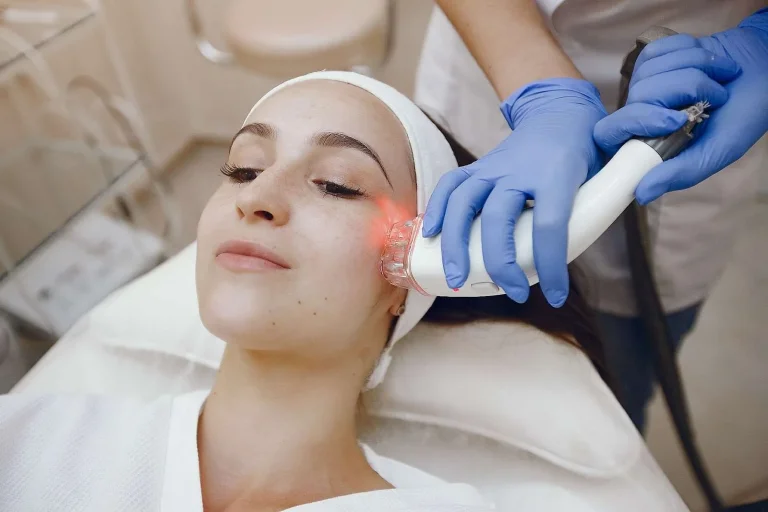
For certain types of stubborn acne scarring, particularly deeper, tethered scars, subcision has become one of the more established treatment options, though it’s less widely understood than laser or microneedling approaches. Understanding how it works and who it genuinely suits helps you have a more informed conversation about your own scarring.
At Da Vinci Clinic, our doctors offer subcision as part of a broader acne scar treatment toolkit, reserved for the specific scar types it addresses best. This article explains exactly what subcision involves and when it’s genuinely the right approach.
We’ll cover the mechanism behind the procedure, what the evidence shows, which scar types respond best, and what recovery typically looks like.
What Does Subcision Actually Involve?
Subcision is a procedure in which a needle or blunt cannula is inserted beneath the scar and moved back and forth to release the fibrous bands tethering the scar down to deeper tissue, allowing the skin to lift and appear less depressed. This mechanical release of scar tissue addresses the structural cause of certain depressed scars directly, rather than working purely through collagen stimulation alone. This is a detail worth keeping front of mind throughout any acne scar treatment decision. It’s a consideration that comes up again and again in acne scar treatment conversations with patients.
The procedure is typically performed under local anaesthesia, and the immediate release of tension can produce a visible improvement even before any additional healing response develops. It’s a consideration that comes up again and again in acne scar treatment conversations with patients. Many patients considering acne scar treatment overlook this until it’s raised during consultation.
What Does the Evidence Say About Subcision's Effectiveness?
A review of clinical trials on subcision, published via PubMed (National Library of Medicine), found subcision to be a safe and effective method for treating atrophic acne scars, with cannula-based techniques associated with fewer side effects and greater patient satisfaction compared to needle-based approaches. This body of clinical evidence supports subcision as a genuinely established option, not an experimental or fringe technique. You can learn more about our doctors and clinics on the Da Vinci Clinic website. Many patients considering acne scar treatment overlook this until it’s raised during consultation. This principle holds true whether you’re just starting to research acne scar treatment or already well informed.
The same review noted that combining subcision with other treatments, such as fillers or energy-based devices, often improves outcomes further compared to subcision performed alone. You can browse further reading on our Da Vinci Clinic blog for additional context. This principle holds true whether you’re just starting to research acne scar treatment or already well informed. It’s exactly this kind of detail that separates a well-informed acne scar treatment decision from a rushed one.
Which Types of Acne Scars Respond Best to Subcision?
Subcision is generally most effective for rolling scars, which have a tethered, undulating appearance caused by fibrous bands pulling the skin down from beneath. It can also help with certain boxcar scars, though its effectiveness is more variable for this scar type compared to rolling scars specifically. It’s exactly this kind of detail that separates a well-informed acne scar treatment decision from a rushed one.
Subcision is generally not the primary approach for ice-pick scars, which are typically narrow and deep, often requiring a different technique altogether to address effectively. This is one of the first things worth clarifying before pursuing acne scar treatment further.
Is Subcision Often Combined With Other Treatments?
Given how effectively subcision can be paired with complementary treatments, doctors often combine it with dermal fillers to help maintain the lifted result, or with energy-based devices like fractional lasers or radiofrequency microneedling to further stimulate collagen production. This combination approach frequently produces more complete improvement than any single technique used in isolation. Getting this right early makes the rest of the acne scar treatment process noticeably smoother.
Your doctor can advise whether a combination approach is appropriate based on your specific scar pattern and overall treatment goals. It’s a small point, but one that consistently shapes how a acne scar treatment experience turns out.
What Does Recovery From Subcision Typically Involve?
Bruising and swelling in the treated area are common immediately following subcision, generally settling within one to two weeks depending on the extent of the area treated. Multiple sessions are often needed for optimal results, with your doctor typically spacing these several weeks apart to allow proper healing between treatments. For further clinical detail, PMC (National Center for Biotechnology Information) offers additional peer-reviewed research on this topic. This is exactly the kind of factor that experienced doctors consider when discussing acne scar treatment.
Your doctor will provide specific aftercare guidance to support healing and help maintain the improvement achieved during the procedure. It’s worth revisiting this whenever your acne scar treatment plan reaches a new stage.
Frequently Asked Questions
The procedure is typically performed under local anaesthesia, making it generally well tolerated, though some discomfort during and after treatment is normal.
Rolling scars, characterised by a tethered, undulating appearance, generally respond best to this technique.
Bruising and swelling typically settle within one to two weeks, though this varies depending on the extent of the treated area.
Yes, it's frequently combined with fillers or energy-based devices like lasers or radiofrequency microneedling for more complete results.
Multiple sessions spaced several weeks apart are often recommended for optimal results, with your doctor advising a specific plan based on your scarring.

Conclusion
Subcision offers a genuinely established, evidence-supported approach for rolling acne scars specifically, working by releasing the fibrous tethering that causes their depressed appearance. Often combined with complementary treatments, it can produce meaningful improvement where other approaches alone may fall short.
Curious whether subcision suits your specific acne scarring? Book a consultation with Da Vinci Clinic today.