
What Hair Treatments Work Best for Frizzy, Dry Hair?
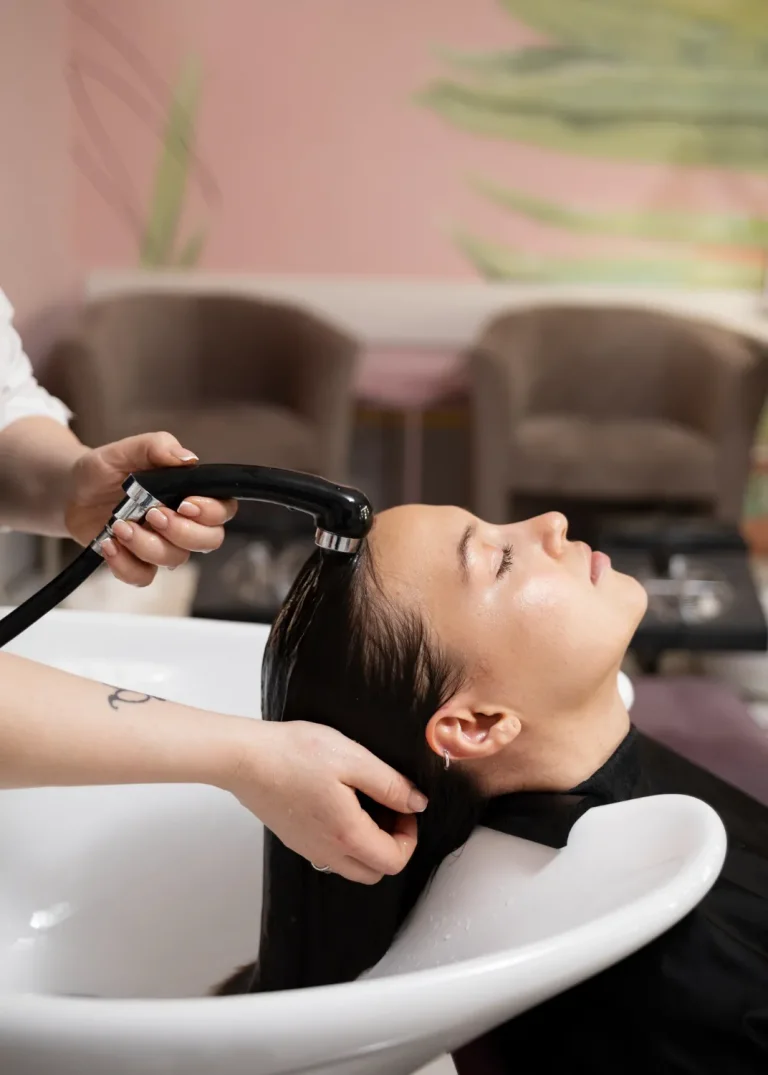
Frizzy, dry hair is one of the most common hair concerns in Malaysia. The humid climate makes even healthy hair swell and lose shape. You may leave home with smooth strands, only to find them puffed up by midday. Choosing the right hair treatment can make a noticeable difference in how your hair behaves.
Humidity alone is not the only cause. Heat styling, colouring, and chemical processing weaken the outer cuticle layer. When the cuticle remains open, moisture escapes easily, and frizz increases. A targeted hair treatment works by sealing this layer and restoring internal strength.
Understanding your hair type and scalp condition is important before selecting any solution. Some individuals explore professional guidance through Hair Restoration services to identify whether dryness, damage, or scalp imbalance is the main trigger. A personalised approach reduces trial and error.
Why Frizzy, Dry Hair Is Common in Humid Malaysia
Frizz develops when the outer cuticle layer becomes rough or damaged. In humid air, porous strands absorb moisture unevenly. This swelling causes strands to expand and separate from each other, leading to puffiness.
Dry hair lacks enough internal moisture and natural oils. Without these protective lipids, strands feel rough and brittle. When dryness and humidity combine, frizz becomes harder to manage.
Environmental and Styling Triggers
Daily habits often worsen dryness without you realising it. Common triggers include:
- Frequent blow drying without heat protection
- Regular bleaching or chemical colouring
- Tight hairstyles under strong sun exposure
- Swimming in chlorinated pools without protection
- Harsh shampoos that strip natural oils
Each of these habits lifts the cuticle and increases porosity. Over time, hair becomes less able to hold moisture and more reactive to humidity.
Internal and Scalp Factors
Internal factors can also contribute to dryness. Hormonal changes after pregnancy or thyroid imbalance may reduce oil production. Nutritional gaps such as low iron, zinc, or protein can weaken the keratin structure of hair.
Scalp health plays a central role. If the scalp becomes inflamed or overly dry, hair growth quality may decline. Balanced scalp care supports better results from any hair treatment plan.
Professional Hair Treatment Options for Frizz Control
Professional hair treatment solutions provide deeper repair than basic conditioners. They are designed to rebuild structure, seal the cuticle, and improve shine for several months.
A trained professional will usually assess porosity and damage level first. This ensures the treatment suits your hair texture and chemical history.
Keratin Smoothing Treatment
Keratin treatment is widely chosen for humidity control. It works by coating the hair shaft with a protective protein layer. This layer smooths raised cuticles and reduces puffiness.
Sessions typically last around ninety minutes. Results may last three to four months with proper maintenance. Hair feels smoother, shinier, and easier to style.
Keratin does not permanently straighten the hair. Instead, it reduces frizz and improves manageability. Many people find styling time decreases significantly after treatment.
Bond Repair and Reconstruction Systems
Bond repair systems focus on reconnecting broken internal bonds caused by bleaching and heat damage. Unlike surface coatings, these treatments strengthen hair from within.
Benefits may include:
- Reduced breakage during brushing
- Improved elasticity and flexibility
- Stronger strands after colouring
- Enhanced moisture retention
These systems are often recommended after chemical treatments. Maintenance sessions may be scheduled monthly depending on damage level.
Intensive Moisture Infusions
Some professional hair treatment plans include deep moisture infusions. These treatments use concentrated oils and proteins to fill gaps in the cuticle.
They are especially helpful for coarse or curly hair types. Results usually last several weeks and can be combined with other strengthening treatments.
Effective At Home Hair Treatment Routines
Professional sessions provide a foundation, but daily care determines long term results. A consistent at home hair treatment routine helps maintain smoothness and prevent new damage.
Consistency is more important than using many products. Simple, gentle habits protect the hair barrier.
Weekly Deep Conditioning Masks
Deep conditioning masks replenish lost hydration. Ingredients such as shea butter, argan oil, and aloe vera help soften strands.
Apply a mask once or twice weekly depending on dryness level. Leave it on for at least ten to fifteen minutes for better absorption.
For extra hydration, wrap hair in a warm towel during masking. Heat helps open the cuticle slightly so moisture can penetrate.
Leave In Conditioners and Oils
Leave in conditioners provide light daily protection. They reduce friction and protect strands from humidity.
Lightweight oils applied to mid lengths and ends can seal moisture. Avoid heavy amounts near the scalp to prevent buildup. Less product often gives better control.
Daily Care Habits That Support Hair Health
Daily routines influence hair quality more than occasional treatments. Consider these habits:
- Use sulphate free shampoo
- Rinse with lukewarm water instead of hot
- Apply heat protectant before styling
- Avoid excessive brushing on wet hair
- Trim split ends regularly
These steps reduce cumulative damage. Over time, hair appears smoother and stronger.
If dryness continues despite good home care, exploring professional advice through Our Services may help identify scalp or structural concerns.
Benefits of Choosing the Right Hair Treatment
Selecting the right hair treatment offers both cosmetic and structural benefits. The goal is not only smoothness, but also stronger, more resilient strands.
Visible improvements often appear within two weeks of consistent care. Long term benefits depend on maintenance and realistic expectations.
Improvements You May Notice
Many individuals experience:
- Smoother texture even in high humidity
- Reduced breakage and fewer split ends
- Better curl definition without heaviness
- Faster and easier daily styling
- Healthier scalp comfort
Hair may also appear shinier because a sealed cuticle reflects more light. Reduced tangling means less mechanical stress during brushing.
Supporting Scalp and Strand Safety
When undergoing professional procedures, safety standards matter. In Malaysia, aesthetic and cosmetic services should follow recognised guidelines such as the Malaysian Medical Council guidelines. Choosing a regulated setting ensures proper consultation and product selection.
This is particularly important if you have coloured or chemically treated hair. A careful assessment helps prevent over processing.
Long Term Strategies for Managing Frizzy, Dry Hair
A successful hair treatment plan focuses on prevention as well as repair. Small daily changes can prevent recurring dryness.
Hydration starts from within. Drinking enough water and maintaining a balanced diet supports hair strength. Foods rich in healthy fats and protein nourish follicles over time.
Limiting heat styling frequency also reduces cumulative damage. If straightening or curling is necessary, choose lower heat settings and high quality tools.
Protecting hair from sun exposure can also help. Wearing a hat during prolonged outdoor activities reduces moisture loss and cuticle damage.
Frequently Asked Questions (FAQs)
Here are common questions about hair treatment options for frizzy, dry hair.
1. What hair treatment works best for frizzy, dry hair?
2. Can hair treatment damage coloured hair?
3. How long does a professional hair treatment last?
4. Is keratin treatment safe for curly hair?
5. How often should dry hair receive treatment?
Conclusion
Frizzy, dry hair in Malaysia’s humid climate requires consistent care and the right hair treatment strategy. From keratin smoothing to bond repair and thoughtful home routines, several solutions help restore smoothness and strength.
Long term improvement depends on good scalp care, realistic expectations, and protective habits. When managed properly, hair can remain sleek and manageable despite humidity and heat.
If you would like personalised guidance, you can arrange a consultation through the Book Now page to explore suitable options for your hair needs.