
Which Acne Scar Treatment Works for Your Scar Type
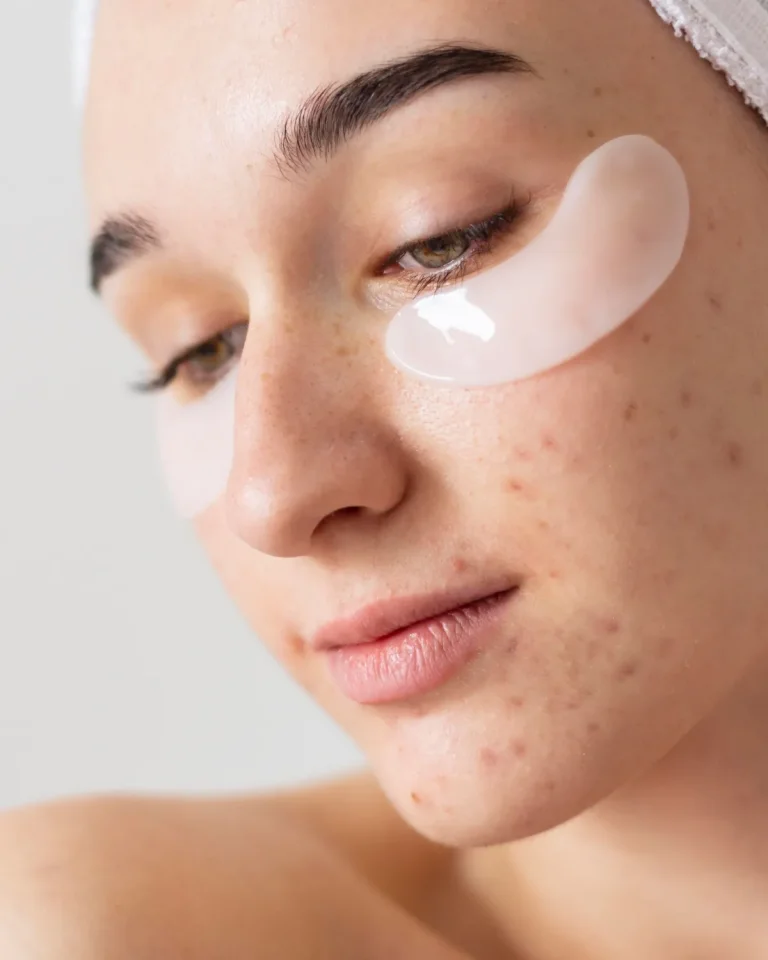
Struggling to find what actually works on your acne scars leaves many wasting time on mismatched creams and devices. The right acne scar treatment depends entirely on your scar type, turning frustration into visible smoothing tailored to your skin’s unique damage pattern. Picture matching the perfect solution to your specific pits, waves, or ridges.
Identifying scar type guides every acne scar treatment decision, avoiding ineffective generics. Many start with facial treatments to assess texture under magnification before committing to lasers or peels. Precision matching delivers 60-80% better outcomes than random approaches.
Scar formation varies by breakout severity and healing response, creating four main categories dermatologists use for treatment planning. Understanding these patterns empowers informed choices over hopeful trial-and-error.
Acne Scar Types and Their Characteristics
Choosing the optimal acne scar treatment requires recognising how inflammation reshaped your collagen framework during healing. Deep cystic acne destroys tissue architecture, while surface picking stretches dermis differently. Each type presents distinct visual and tactile clues under proper lighting.
Scars persist because skin prioritises speed over perfection in repair, leaving permanent reminders. Classification systems help predict treatment response rates accurately.
Atrophic Scars: Depressed Types
Atrophic scars result from collagen and fat loss beneath the surface, creating visible depressions that cast shadows. These account for 80-90% of acne scarring cases, responding best to volume restoration and resurfacing in acne scar treatment protocols. Fresh scars under six months show highest improvement potential.
Magnification reveals epidermal thinning over voids, explaining why topicals alone rarely suffice. Depth measurement guides energy settings precisely.
- Ice pick scars: Narrow V-shaped punctures (0.1-0.5mm diameter) from severe follicle destruction, penetrating 2mm deep with minimal bridging tissue.
- Boxcar scars: Rectangular pits (1.5-4.0mm wide) with sheer vertical walls, formed by uniform dermal necrosis leaving defined boundaries.
- Rolling scars: Broad M-shaped undulations (4-5mm zones) caused by short fibrous septae anchoring skin to subcutaneous fat, creating mobile waves.
Hypertrophic and Keloid Scars: Raised Types
Hypertrophic scars confine excess collagen to original wound margins, while keloids aggressively expand beyond boundaries through unchecked fibroblast activity. These thicken progressively for 6-12 months post-injury, demanding early intervention in acne scar treatment plans. Tension on healing wounds predicts likelihood.
Darker Fitzpatrick skin types IV-VI face 15x higher keloid risk due to melanocyte hyperactivity alongside fibrosis.
- Hypertrophic scars: Firm, pink nodules within scar borders, softening naturally over 1-2 years but persisting without treatment.
Keloid scars: Shiny, itchy overgrowth extending 2-5mm beyond edges, contracting surrounding skin and recurring 45-100% after excision.
Best Acne Scar Treatments by Scar Type
Matching acne scar treatment to morphology ensures maximum collagen remodelling with minimal passes. Ice pick scars need pinpoint precision, while rolling patterns require broad release. Dermatologists layer modalities based on 3D scar mapping for comprehensive coverage.
Clinical trials demonstrate type-specific protocols outperform universal approaches by 40-50% in patient satisfaction scores.
Treatments for Atrophic Depressed Scars
Depressed scars demand dermal scaffolding in acne scar treatment, combining ablation with induction. Lasers vaporise pitted edges while radiofrequency tightens underlying bands. Sequential therapy prevents new tether formation during repair.
The American Academy of Dermatology validates these matches through histology studies showing neocollagenesis patterns (AAD).
- Fractional CO2 lasers for ice pick: Microthermal zones vaporise 30-50% of pit volume per pass, triggering type III collagen fill (70% depth reduction in 3 sessions, 7-day recovery).
- Radiofrequency microneedling for rolling: Insulated needles deliver 50-60°C heat to 3.5mm depth, contracting septae 40% (smoothing visible week 4, 6 sessions optimal).
- TCA CROSS for boxcar: 65-100% trichloroacetic acid spots induce focal necrosis, rebuilding shoulders (80% edge definition improvement, 4 weekly applications).
- Subcision plus HA fillers: Needle releases anchors then hyaluronidase-resistant gel supports lift (immediate 1-2mm volume gain, 12-month duration).
Strategies for Raised Hypertrophic Scars
Raised scars respond to collagen breakdown and vascular targeting in acne scar treatment. Steroids halt fibroblast proliferation while pulsed dye lasers starve angiogenic support. Silicone modulates moisture to normalise matrix deposition.
Combination reduces height 70% versus 40% monotherapy, with vascular clearance preceding flattening.
- Inject intralesional steroids: Triamcinolone acetonide (10-40mg/ml) every 4 weeks shrinks volume 50% by month 3 through apoptosis.
- Apply 5-fluorouracil: Weekly shallow injections inhibit DNA synthesis in fibroblasts (synergistic 65% flattening).
- Pulse dye laser: 595nm targets haemoglobin, reducing erythema 80% in 3 sessions (prerequisites flattening).
Silicone gel sheeting: 12-24 hour daily wear for 3 months decreases tension 35% (prevents recurrence).
Preparation and Aftercare for Optimal Results
Acne scar treatment efficacy doubles with systematic priming and recovery protocols. Prepping enhances penetration while post-care preserves neocollagenesis during vulnerable remodelling windows. Neglect here risks 30% regression.
Timeline awareness prevents discouragement; type I collagen dominates months 3-6 for structural gains.
Pre-Treatment Skin Optimisation
Barrier optimisation 6 weeks prior maximises treatment tolerance. Topical retinoids (0.025-0.1%) accelerate stratum turnover by 25%, improving energy absorption. Hydroquinone 4% preempts melanocyte rebound in Asian skin.
Antioxidide priming neutralises procedure-induced ROS spikes.
- Titrate tretinoin: Nightly microdose week 1, building to full strength by week 4 (epidermal thickness increases 20%).
- Layer vitamin C+E: 15% L-ascorbic stabilises with ferulic, reducing post-laser pigmentation 50%.
- Oral tranexamic acid: 250mg twice daily inhibits plasmin, preventing hyperpigmentation (4-week preload).
- Strict photoprotection: Zinc oxide SPF 50+ reapplied 2-hourly blocks MMP-1 activation.
Post-Treatment Maintenance Routines
Immediate barrier repair post acne scar treatment prevents transepidermal water loss spikes reaching 200%. Growth factor serums signal angiogenesis while ceramide complexes restore lipids within 72 hours. Avoid actives until erythema resolves.
Professional protocols from Our Services pages include take-home kits calibrated to procedure depth.

Frequently Asked Questions (FAQs)
Here are common questions about which acne scar treatment works for your scar type, addressing precise search intents.
1. What is acne scar treatment and how does it work?
2. How do I identify my acne scar type accurately?
3. Which acne scar treatment works fastest for deep pits?
4. Can acne scar treatment work on old scars over 5 years?
5. Is downtime different by acne scar treatment type?
Conclusion
Selecting the precise acne scar treatment for your scar type transforms guesswork into predictable smoothing, restoring skin architecture methodically. Matched modalities deliver measurable depth reduction and texture refinement suited to individual healing patterns.
Sustained results build resilient dermis less prone to recurrence, enhancing long-term confidence. Discover location-specific expertise via our Location page and align your scars with proven solutions today.